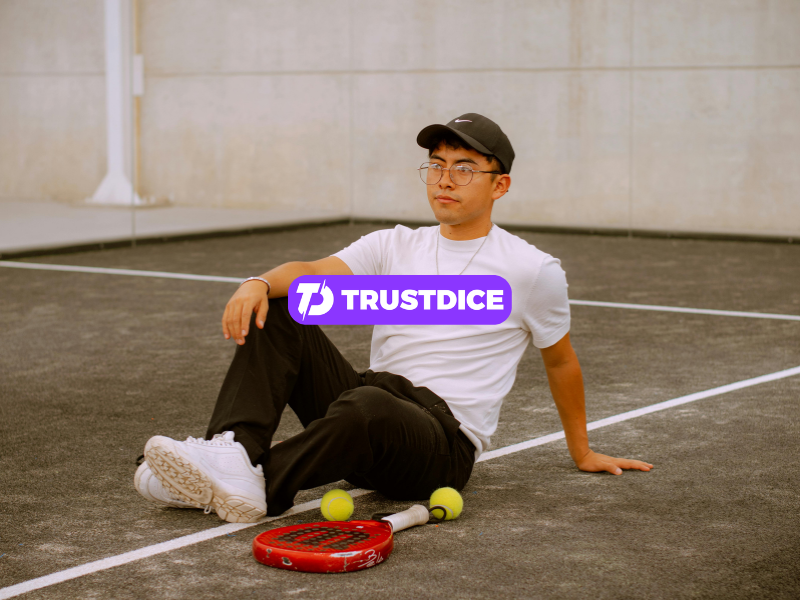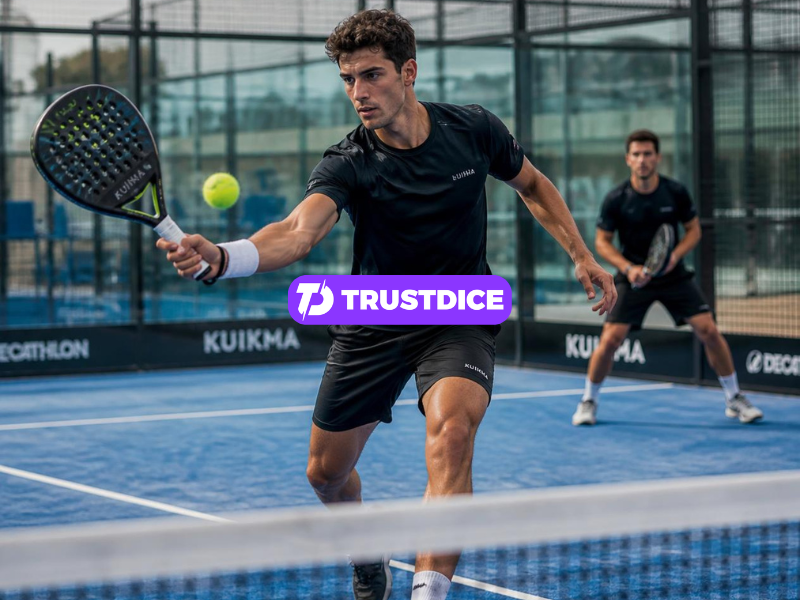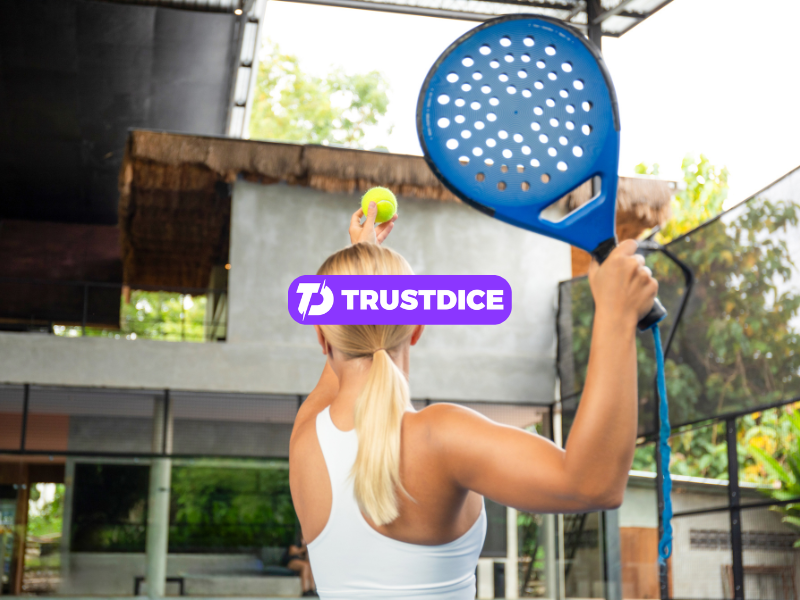








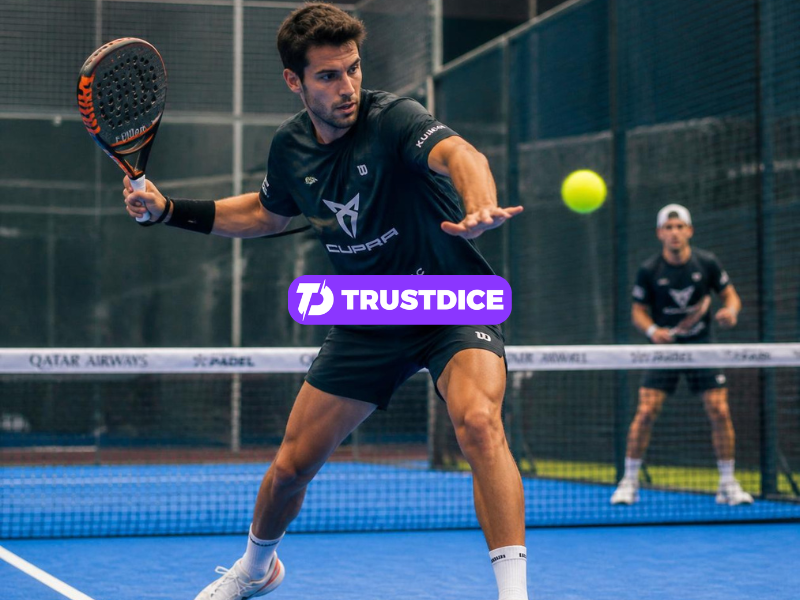
Padel's simple underhand serve, compact court, and social doubles format can make it an approachable racket sport for younger players. Children can begin enjoying rallies without needing to master the technically demanding overhead serve associated with tennis.
But a good introduction should focus on movement, coordination, safety, and enjoyment rather than immediately treating every session like competitive training.
Why Can Padel Work Well for Children?
The enclosed court keeps the ball relatively close to the players, while doubles encourages communication and teamwork.
Young beginners can develop hand-eye coordination, reaction speed, balance, and spatial awareness while learning how to cooperate with a partner.
| Skill | How Padel Develops It |
|---|---|
| Coordination | Tracking and striking moving balls |
| Movement | Short multidirectional footwork |
| Teamwork | Doubles communication |
| Decision-making | Choosing direction and placement |
Choose Age-Appropriate Equipment
A child does not necessarily need the same racket configuration as a full-grown competitive adult. Weight, grip size, balance, and maneuverability should be appropriate for the player's size and ability.
An excessively heavy racket can make learning uncomfortable and encourage poor technique.
Parent Tip 🎯
Choose equipment for the child who is actually playing—not the equipment an adult hopes they will eventually need.
Footwear Matters
Children move unpredictably when learning. Proper court footwear should provide appropriate grip and lateral stability for the playing surface.
Ordinary running shoes are designed primarily for forward motion and may not provide the same platform for repeated sideways movement.
What Should the First Lessons Teach?
Early sessions should introduce racket control, basic contact, serving, simple volleys, and court awareness.
The glass can be introduced gradually. There is no reason to overwhelm a first-time player with complicated double-wall rebounds or advanced overhead techniques.
🏆 Coaching Principle: A child who wants to return for another lesson has already achieved something important.
Keep Drills Short and Varied
Long technical repetitions can quickly become boring. Coaches can combine simple targets, movement games, short rallies, and team challenges.
| Beginner Activity | Focus |
|---|---|
| Target hitting | Accuracy |
| Short rally challenge | Consistency |
| Partner movement | Teamwork |
| Simple wall feed | Rebound awareness |
Do Not Specialize Too Early
For young recreational players, broad athletic development can be valuable. Running, jumping, throwing, catching, and participating in different sports can build movement skills that later transfer to padel.
Parents should be cautious about turning an enjoyable hobby into an intense performance project too quickly.
Teach Teamwork From the Beginning
Padel provides a natural opportunity to teach communication. Children learn that the best individual shot does not always produce the best team outcome.
Calling “mine,” moving with a partner, and encouraging teammates after errors are useful habits both competitively and socially.
Watching Professional Padel Can Help
Young players can learn by watching professionals, particularly if an adult explains what to observe. Instead of focusing only on spectacular smashes, watch positioning, lobs, volleys, and teamwork.
Adults following tournaments through a bitcoin sportsbook should keep gambling activity strictly separate from children's participation and treat youth padel as sport, development, and recreation.
Likewise, bitcoin betting is an adult activity and should never be presented as part of a child's sporting experience.
Competition Should Match Development
Some children love keeping score immediately; others become anxious when every rally has consequences.
Introduce competition progressively. Short games, team challenges, and friendly matches can teach scoring without making winning the only measure of success.
Development Tip ⚔️
Measure progress through improved movement, longer rallies, better communication, and enjoyment—not only wins and losses.
How Parents Can Support Young Players
Parents do not need to become technical coaches. Encourage consistent attendance, appropriate effort, good sportsmanship, and realistic expectations.
If professional instruction is available, let qualified coaches handle technical corrections rather than providing contradictory advice after every session.
Final Thoughts
Padel can offer children an enjoyable combination of exercise, coordination, problem-solving, and teamwork. The underhand serve and compact court make the early stages approachable, while the tactical depth leaves enormous room for long-term development.
Adult spectators may separately follow the professional game through a bitcoin sportsbook, but junior participation should remain centered on learning and enjoyment.
Give young players appropriate equipment, good coaching, manageable challenges, and enough freedom to have fun. A strong lifelong relationship with sport is more valuable than winning the first junior match. 🎾