







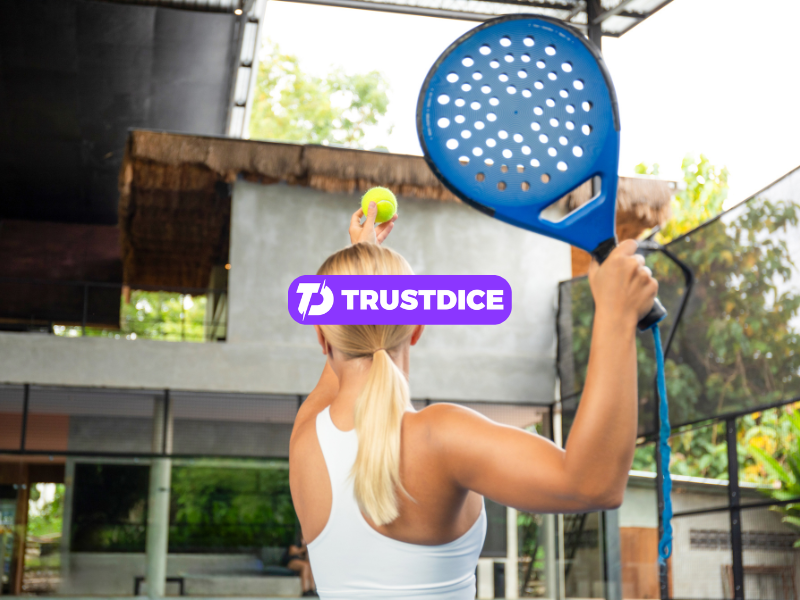
The padel serve is considerably easier to learn than a tennis serve, but that does not make it unimportant. Because the serve is underhand, raw power plays a smaller role. Placement, consistency, spin, and your movement immediately after contact matter much more.
A reliable serve should start the rally on favorable terms and help your team establish an attacking position at the net.
How Does a Legal Padel Serve Work?
The server begins behind the service line and serves diagonally into the opponent's service box. Unlike tennis, the ball must first be bounced on the ground before it is struck.
Contact must comply with the permitted serving height under the applicable rules, which creates the characteristic underhand service motion.
| Serve Element | Basic Requirement |
|---|---|
| Starting position | Behind service line |
| Before contact | Bounce the ball |
| Direction | Diagonal service box |
| Style | Underhand |
Consistency Comes Before Speed
A beginner's first objective should be putting a high percentage of serves into play. An extremely fast serve provides no advantage if you continually miss the box.
Develop a repeatable routine: position your feet, bounce the ball consistently, make compact contact, and recover immediately.
Serving Tip 🎯
Practice 20 serves to each side and count how many land legally. Improve that percentage before worrying about additional speed.
Where Should You Aim?
Serving toward the side wall can create an awkward return because the receiver may need to judge both the bounce and the glass. Serving closer to the center can reduce certain return angles and occasionally target a weaker backhand.
The best location depends on the receiver. During the opening games, test different placements and observe which return produces the weakest response.
What Should You Do After Serving?
This is where beginners frequently make a tactical mistake. They admire their serve instead of moving.
The serving team has an opportunity to establish net pressure, so the server should transition forward and join the partner rather than remaining deep without a reason.
🏆 Tactical Insight: Think of the serve and the movement afterward as one action. The serve begins the point; your position determines what happens next.
Should You Use Spin?
Slice can make a serve stay lower or interact awkwardly with the glass. However, beginners should avoid sacrificing reliability simply to create dramatic spin.
Learn clean contact first. Once you can consistently find the service box, gradually experiment with direction and spin.
| Priority | Beginner Focus |
|---|---|
| 1 | Legal contact |
| 2 | Consistency |
| 3 | Placement |
| 4 | Spin and variation |
Common Serving Mistakes
Trying to generate excessive power is the obvious one. Other problems include inconsistent bounce location, poor balance during contact, failing to recover toward the net, and repeatedly serving to exactly the same location.
Predictability becomes particularly dangerous against stronger receivers. If they know where the serve is going, they can prepare earlier and produce a more aggressive return.
How Professionals Use the Serve
At elite level, the serve is less about producing an immediate ace and more about controlling the first few shots of the rally. Players combine placement with an aggressive transition toward the net.
Fans following professional padel through a bitcoin sportsbook should therefore watch what happens after the serve. Does the receiving team immediately neutralize the attackers, or does the serving pair establish comfortable net control?
Practice Serve Plus One
A useful training drill is to combine every serve with the next shot. Serve, move forward, and have a partner return the ball so you must play a first volley.
This makes practice more realistic than hitting 100 isolated serves while remaining behind the baseline.
The same pattern matters when analyzing matches through bitcoin betting. Serve effectiveness is not only about faults or direct points; it is about whether the serving pair consistently begins rallies in a strong formation.
Do Not Chase Aces
Aces are possible, but padel is not built around huge serves in the way some forms of tennis can be. Trying to force direct winners often increases errors without creating enough additional reward.
A controlled serve that produces a predictable return can be tactically excellent.
Match Tip ⚔️
If an opponent struggles with one particular return, keep testing it until they demonstrate an adjustment.
Final Thoughts
A strong padel serve is reliable, accurately placed, and connected to your movement toward the net. Beginners should develop consistency first, then introduce different directions and spin.
When watching elite competition on a bitcoin sportsbook, notice how rarely the serve exists in isolation. It is the opening move in a tactical sequence.
Build a serve you can trust under pressure, and you give yourself a better starting position in every service game. 🎯