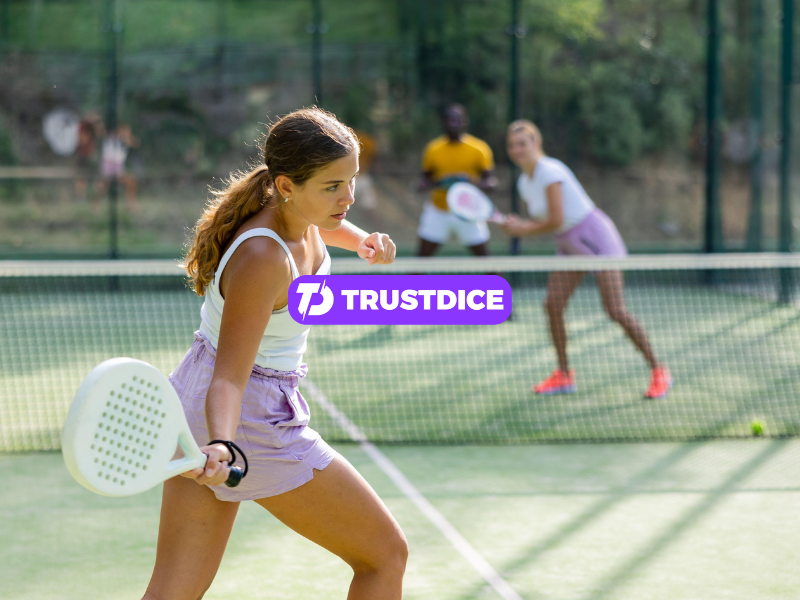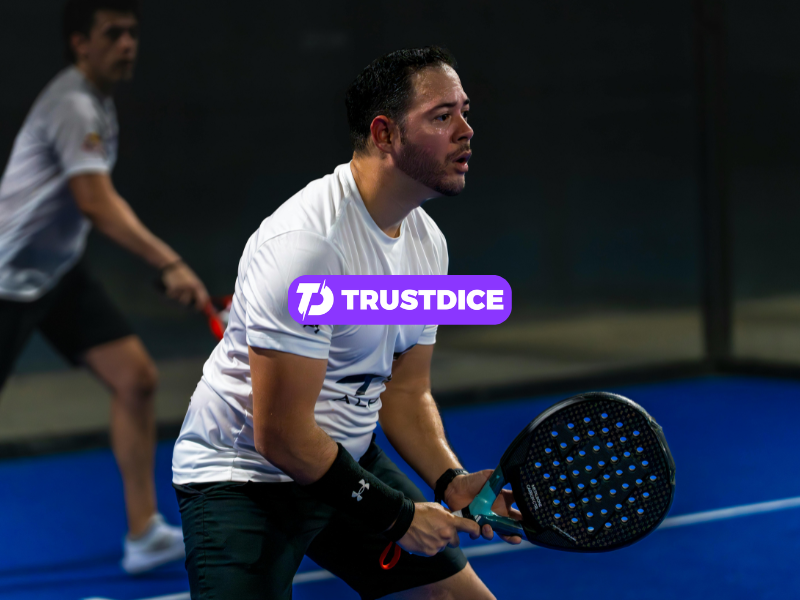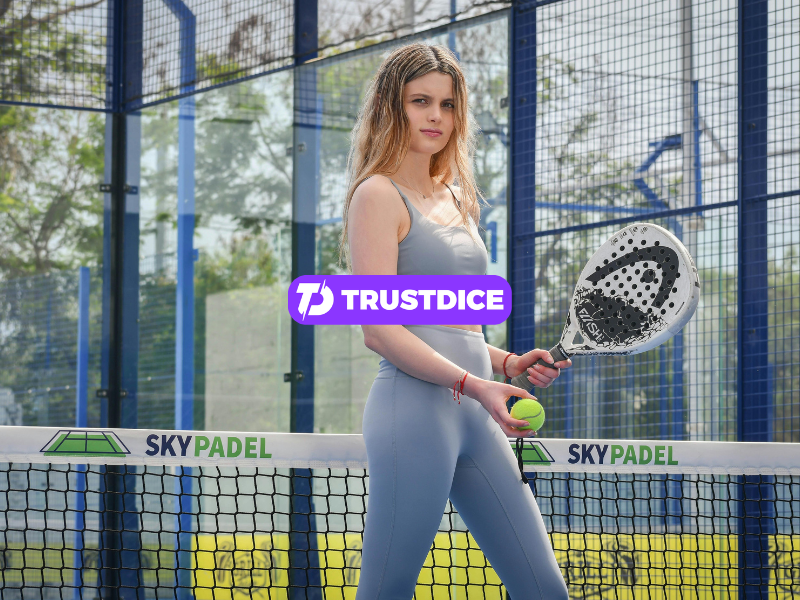








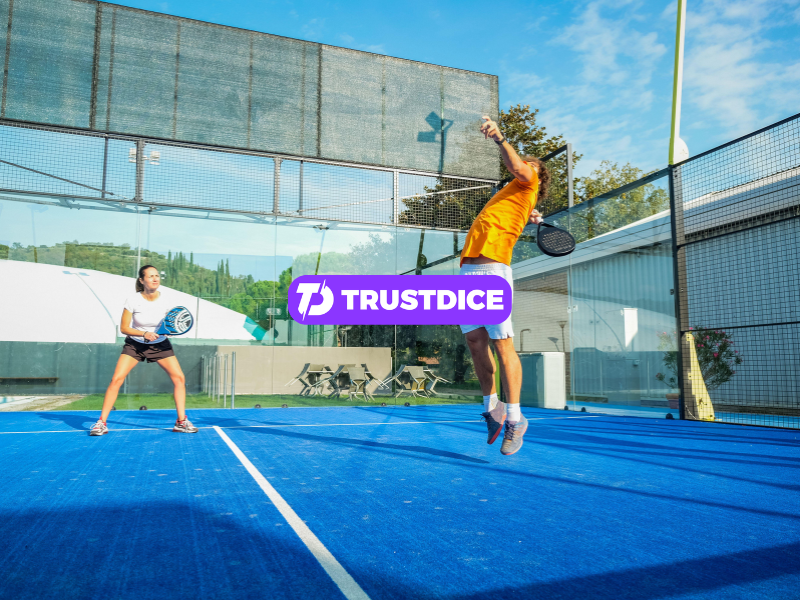
Your first padel match does not require a professional racket, an oversized tournament bag, or a collection of expensive accessories. You need equipment that keeps you safe, comfortable, and focused on learning the game.
The genuine essentials are simple: a suitable racket, proper court shoes, padel balls, comfortable sports clothing, and water. Everything else should solve a problem you have actually experienced—not one created by an equipment advertisement.
Quick checklist 🎯
Bring a beginner-friendly racket with its wrist strap, padel or appropriate court shoes, one can of padel balls, breathable clothing, water, and a small towel. Rent or borrow equipment before buying if you are unsure whether you will continue playing.
What Do You Really Need to Play Padel?
A commercial padel club often provides the court, net, and sometimes rental rackets or balls. Ask what is included before your booking. Renting for the first few sessions gives you time to understand which racket shape, weight, and balance feel comfortable.
| Item | Priority | Beginner Recommendation |
|---|---|---|
| Padel racket | Essential | Rent or choose a forgiving round model |
| Court shoes | Essential | Use padel-specific or suitable tennis shoes |
| Padel balls | Essential for the group | Bring a fresh can of standard-speed balls |
| Sports clothing | Essential | Wear flexible, breathable clothing |
| Water | Essential | Bring enough for the full session |
| Bag and accessories | Optional | Buy only when regular play justifies them |
1. A Beginner-Friendly Padel Racket
Padel uses a solid perforated racket rather than a strung tennis racket. Beginners usually benefit from a round shape because it places a generous sweet spot near the center of the face. Low-to-medium balance also makes the racket easier to position during volleys and defense.
Look for manageable weight, a soft or medium-soft core, and a fiberglass or flexible hybrid face. These characteristics generally provide comfortable impact and accessible ball speed.
The official FIP Rules of Padel require a legal racket to include a non-elastic wrist cord, and players must use it during play. The strap helps prevent the racket from becoming dangerous if it slips from the hand.
Safety reminder ⚡
Put the wrist strap on before the first ball. Do not wait until a coach, partner, or club employee reminds you.
2. Padel or Suitable Court Shoes
Footwear is the item where beginners should avoid careless compromises. Padel involves rapid lateral movement, rotations, sudden stops, and short accelerations. A running shoe is designed mainly for forward motion and may feel unstable when moving sideways.
A padel-specific shoe offers an outsole designed for artificial grass or synthetic turf, along with lateral support and a secure heel. A suitable tennis court shoe may also work when its sole matches the surface.
Ask the club whether its courts contain visible loose sand or use newer textured turf. Deep herringbone patterns can work well on traditional sandy courts, while hybrid soles may better suit some modern surfaces.
3. Real Padel Balls
Padel balls look similar to tennis balls but use specifications intended for the enclosed court and glass rebounds. For your first match, choose a standard-speed padel ball rather than the fastest available model.
A standard ball gives beginners slightly more time to prepare and reduces excessively lively rebounds. If the club provides balls, confirm that they still bounce consistently. Old, flat balls force players to swing harder and make practice less reliable.
4. Comfortable Sports Clothing
You do not need padel-branded clothing. Wear garments that allow unrestricted shoulder rotation, lunging, bending, and overhead movement. Breathable material is helpful because enclosed courts can become warm even during moderate sessions.
Shorts, skirts, or pants should have secure pockets if players plan to carry a second ball during service. Avoid loose objects that may fall onto the court and create a hazard.
For outdoor sessions, check the weather. A cap, sunscreen, light layer, or sweat-resistant clothing may be useful. Indoor players should still bring an extra shirt if the venue becomes humid.
5. Water and a Small Towel
Bring water even if the club sells drinks. A typical booking may last 60–90 minutes, and beginners often expend unnecessary energy because their movement is not yet efficient.
A small towel keeps sweat away from your hands and grip. If the racket begins rotating during contact, drying your hand is safer than squeezing the handle harder.
Players training in heat or for extended periods may have additional hydration needs. Those needs vary by individual and conditions, so avoid treating a universal drink quantity as medical guidance.
Useful Accessories After You Start Playing Regularly
Overgrips
An overgrip improves handle comfort and absorbs moisture. Replace it when it becomes smooth, dirty, compressed, or difficult to hold securely. Adding several layers changes grip size and racket weight, so stop when the handle fits naturally.
Frame Protector
A protective strip can reduce cosmetic damage when the racket touches the glass or fence. It adds weight near the head, which may alter balance. Beginners using an already head-heavy racket should consider this effect.
Padel Bag
A basic backpack is sufficient for early sessions. A dedicated padel bag becomes useful when you carry multiple rackets, shoes, clothing, balls, and accessories.
If possible, keep sweaty shoes and clothes in a ventilated compartment. Avoid leaving rackets and pressurized balls in a hot vehicle, where extreme temperatures can affect materials and performance.
| Accessory | Buy It When | Wait If |
|---|---|---|
| Overgrips | The original grip feels slippery or too thin | The rental racket already feels secure |
| Frame protector | You own a racket and want edge protection | Added head weight harms maneuverability |
| Dedicated bag | You play regularly and carry several items | A normal backpack holds everything comfortably |
| Ball pressurizer | You reuse opened balls frequently | Your group normally opens tournament-fresh balls |
Equipment Beginners Do Not Need Yet
A second racket is unnecessary unless you compete or frequently experience equipment problems. One dependable racket is enough for lessons and social matches.
Lead tape and complicated balance customization should wait until you understand your preferences. Randomly adding weight may make the racket slower or more physically demanding.
Premium recovery devices, specialized supplements, professional-grade eyewear, and large tournament bags are not fundamental entry costs. Protective eyewear can still be a sensible personal choice, especially for players concerned about eye injuries, but it is different from a mandatory purchase.
Budget rule 🧠
Spend first on safe footwear and court time. Lessons and regular practice usually improve a beginner more than premium accessories.
What to Pack on Match Day
- Padel racket with an undamaged wrist strap
- Padel or suitable court shoes
- Fresh or consistently bouncing padel balls
- Flexible sports clothing
- Water bottle
- Small towel
- Overgrip if the current grip is worn
- Sunscreen and cap for an outdoor court
- Dry shirt and socks for after the match
Arrive early enough to change shoes, inspect the court, and warm up. Remove loose objects from pockets and check that your laces are secure. A simple preparation routine prevents equipment distractions once the match begins.
Equipment and Professional Padel Research
Professional players promote rackets, shoes, bags, and accessories, but sponsorship does not prove that the same equipment suits every player. When studying a professional match through a bitcoin sportsbook, recent form, injuries, partnership chemistry, and court conditions matter more than branded gear.
Anyone considering bitcoin betting should remember that professionals may use customized equipment that differs from retail products. A new release is marketing information, not evidence of a guaranteed competitive advantage.
No equipment choice guarantees a match result. Set a fixed entertainment budget, confirm market rules, and never chase losses through a bitcoin sportsbook.
Final Beginner Gear Checklist
Start with the five essentials: a suitable racket, correct shoes, padel balls, comfortable clothing, and water. Add an overgrip, towel, protector, or bag only when it solves a real problem.
Your first sessions should teach you how padel feels, not how much equipment can fit inside a shopping cart. Rent before committing, prioritize safety and comfort, and allow your developing game to tell you what to buy next.