







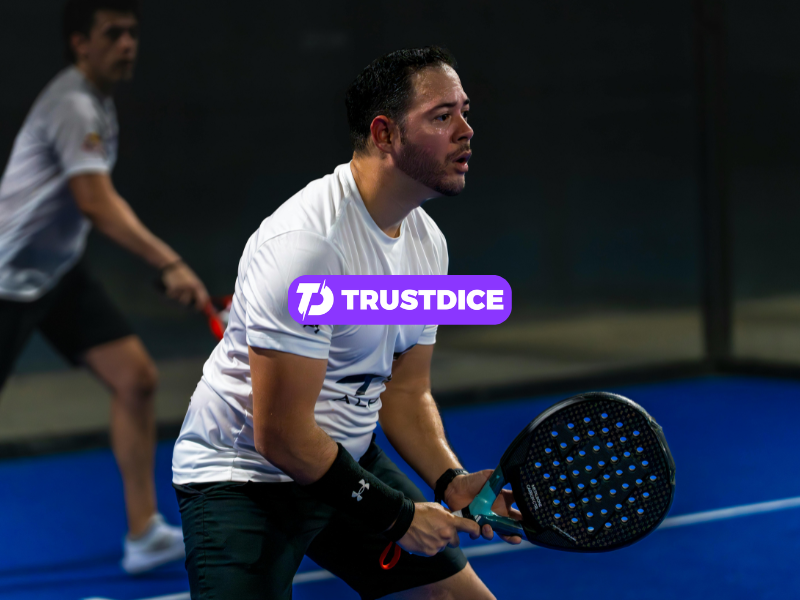
The best padel shoes are not necessarily the softest, lightest, or most expensive. They are the shoes that provide predictable traction, support quick lateral movement, and fit securely without creating painful pressure points.
Padel involves short sprints, split steps, sudden stops, rotations, and repeated changes of direction. Running shoes are designed mainly for forward movement, so their tall cushioning and limited lateral structure can feel unstable on court. A proper padel shoe provides a lower, more controlled platform.
Quick answer 🎯
Choose a padel-specific or suitable court shoe with an outsole matched to your local surface, secure lateral support, adequate toe protection, and a fit that prevents heel movement. Traction should allow controlled rotation—not lock your foot to the court during every turn.
Why Padel Shoes Matter
A padel court may use artificial turf with visible sand, newer textured turf with less loose sand, or another approved synthetic surface. The amount of sand and condition of the turf can change how much grip a shoe produces.
Too little traction makes acceleration and recovery uncertain. Too much traction may prevent the foot from releasing naturally during a sudden turn. The goal is controlled grip: enough to push off confidently, but not so aggressive that every rotation stops abruptly.
| Shoe Feature | What It Does | Why It Matters |
|---|---|---|
| Outsole pattern | Controls traction and release | Affects starts, stops, and rotation |
| Lateral support | Reduces excessive side-to-side foot movement | Improves stability during direction changes |
| Cushioning | Absorbs part of the landing impact | Supports comfort during long sessions |
| Toe protection | Reinforces a high-wear area | Helps players who drag a toe while stopping |
| Heel lockdown | Keeps the rear foot secure | Reduces sliding and friction inside the shoe |
Which Padel Shoe Sole Should You Choose?
Herringbone or Clay-Style Soles
A herringbone outsole uses repeated zigzag grooves. It is traditionally popular on sandy artificial-turf courts because the pattern can reach through loose sand and provide dependable grip. It may also permit controlled sliding when the player understands the surface.
The drawback is that deep herringbone can feel overly aggressive on some modern courts with little sand. Inspect the surface where you normally play rather than assuming one sole works everywhere.
Omni Soles
An omni outsole uses smaller dots, studs, or mixed patterns. It can offer useful movement on artificial grass while releasing more easily than deep herringbone. However, its performance varies with the amount of sand and the design of the individual shoe.
Hybrid and Padel-Specific Soles
Hybrid soles combine patterns in different zones. One section may support push-off, while another allows rotation or flexibility. This category has become common as brands design footwear specifically around padel movement.
| Outsole Type | Often Suits | Potential Limitation |
|---|---|---|
| Deep herringbone | Traditional turf with loose sand | May grip too strongly on some newer surfaces |
| Omni | Artificial grass and players wanting easy release | May offer less bite on heavily sanded courts |
| Hybrid | Modern padel courts and all-court movement | Performance depends on the exact pattern |
Practical tip ⚡
Ask your club which outsole works best on its courts. Local players who use the same surface every week can provide more relevant information than a generic product label.
Recommended Padel Shoes to Consider in 2026
No single model fits every foot or court. These established options represent different performance priorities and should be tried on whenever possible.
ASICS GEL-Resolution X Padel: Best for Stability
The ASICS GEL-Resolution X Padel focuses on secure transitions and lateral stability. ASICS uses DYNALACING technology to improve lockdown and extends its DYNAWALL structure into the heel to support side-to-side movement.
This is a useful category for players who value a planted, supportive feeling. The trade-off is that stability-oriented shoes may feel less minimal than lightweight speed models. Fit also varies by foot shape, so use the brand’s sizing guidance rather than automatically ordering your usual running-shoe size.
Babolat Jet Premura 2: Best for Agility and Breathability
The Babolat Jet Premura 2 was developed specifically for padel. Its design emphasizes ventilation, flexibility, and a lightweight feel. Babolat worked with Michelin on the outsole and uses its KPRSX system around the heel for cushioning.
It suits quick players who want freedom of movement without using a running shoe. Lightweight footwear still needs to hold the foot securely, so check whether the upper and heel match your individual foot volume.
HEAD Motion Pro Padel: Best All-Court Option
The HEAD Motion Pro Padel was engineered specifically for artificial grass and synthetic turf. HEAD describes its Motion Tread outsole as supporting grip and multidirectional movement, while the shoe balances cushioning, stability, flexibility, and speed.
Its medium fit may work for average or slightly wider feet, although sizing should always be tested. This model makes sense for versatile players who defend, attack, and cover different areas of the court.
Adidas Crazyquick Padel: Best for a Fast Court Feel
The Adidas Crazyquick Padel line targets quick acceleration and responsive movement. It is worth considering for players who dislike the bulk of heavily reinforced stability shoes.
A faster-feeling shoe should still prevent the foot from sliding across the footbed during hard stops. If your toes hit the front or your heel lifts, the model or size is not correct regardless of how light it feels.
| Model | Primary Strength | Player Profile |
|---|---|---|
| ASICS GEL-Resolution X Padel | Lateral stability | Players seeking a secure, supportive platform |
| Babolat Jet Premura 2 | Agility and ventilation | Fast movers who prefer a lighter sensation |
| HEAD Motion Pro Padel | Balanced all-court performance | Versatile recreational and competitive players |
| Adidas Crazyquick Padel | Responsive movement | Players prioritizing acceleration and court feel |
How Should Padel Shoes Fit?
Your heel should remain secure when you accelerate and stop. The midfoot should feel supported without painful compression, and your toes need enough space to avoid hitting the front during sudden braking.
Try shoes with the socks you normally wear. Test them later in the day if your feet tend to swell. Walk, perform lateral steps, and make several controlled stops rather than judging fit while sitting down.
Do not assume every model from one brand fits identically. Different uppers, lasts, and performance categories can create noticeable differences.
Can You Wear Tennis or Running Shoes?
A suitable tennis court shoe can work, particularly when its outsole matches the padel surface. Both sports require lateral support, durability, and controlled stopping.
Running shoes are a weaker choice. Their cushioning is designed primarily for forward motion, and many have a taller platform with limited side support. This can feel unstable during rapid lateral changes.
When Should You Replace Padel Shoes?
Replacement depends on playing frequency, body weight, movement style, surface, and outsole durability. Examine the tread instead of following a fixed calendar.
Unevenly worn grip, compressed cushioning, damaged uppers, or a heel that no longer feels secure are meaningful warnings. If traction has changed noticeably on a familiar court, inspect the outsole before the next match.
Footwear and Professional Padel Analysis
Professional footwear provides clues about movement preferences but rarely determines a match outcome. When reviewing a tournament through a bitcoin sportsbook, recent form, injuries, partnership performance, and court conditions deserve far greater weight than a shoe sponsorship.
Anyone considering bitcoin betting should also distinguish retail products from customized professional equipment. Marketing campaigns are not independent evidence of competitive advantage.
No footwear guarantees a result. Verify market rules, establish a fixed entertainment budget, and never chase losses through a bitcoin sportsbook.
Final Padel Shoe Checklist
- Match the outsole to your regular court surface.
- Choose controlled traction rather than maximum grip.
- Check lateral support and heel lockdown.
- Leave sufficient room for the toes during sudden stops.
- Balance cushioning with a stable court feel.
- Try shoes with your normal playing socks.
- Test lateral movement before buying.
- Replace shoes when grip or support noticeably deteriorates.
The best padel shoe is the model that fits your foot, matches your court, and remains predictable during every change of direction. Start with outsole compatibility and fit, then compare cushioning, stability, weight, and durability. A fashionable shoe may catch attention, but dependable movement wins far more points.