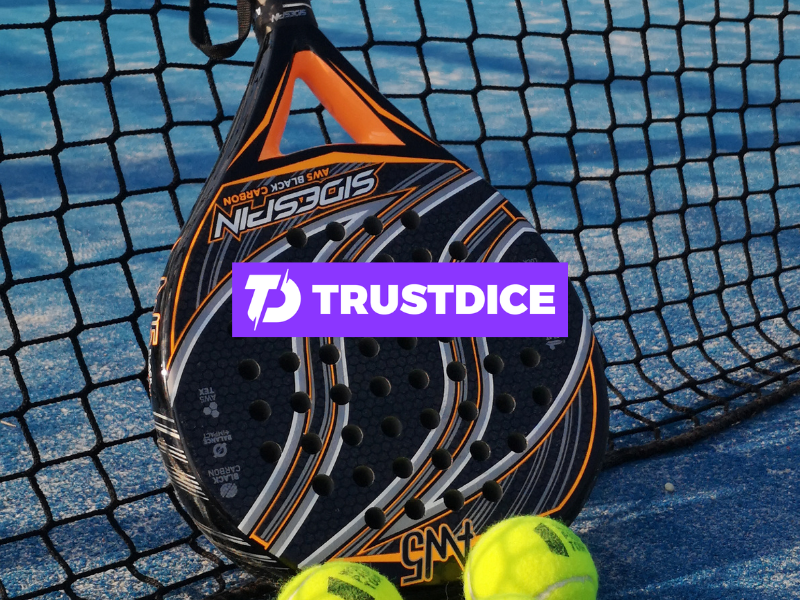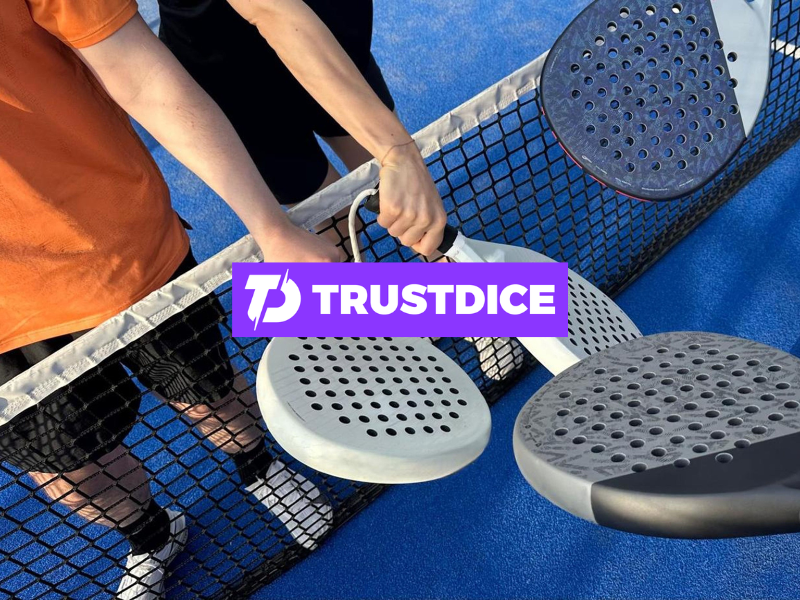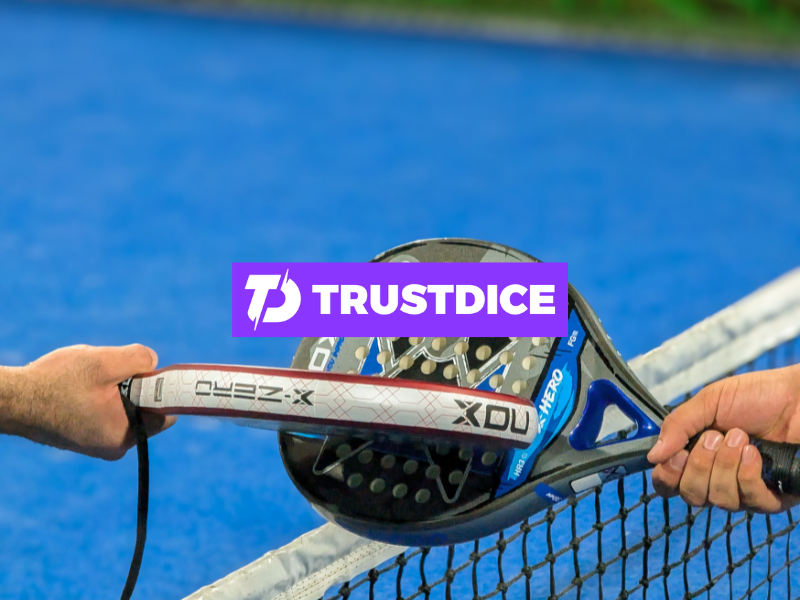








Padel and pickleball are two racket sports attracting attention from recreational players, sports clubs, and competitive athletes. Both offer doubles action, relatively accessible techniques, and shorter courts than traditional tennis. However, their similarities can be misleading.
Padel uses enclosed courts with glass walls, while pickleball takes place on an open court with a distinctive non-volley zone. These differences affect everything from serving and movement to tactics and equipment.
Whether you are choosing a new sport or comparing professional competitions, this guide explains the differences between padel and pickleball in 2026.
🎾 What Is the Main Difference Between Padel and Pickleball?
The biggest difference is the playing environment. Padel is played inside an enclosed court where the ball can rebound from walls. Pickleball uses an open court divided by a net, with no wall rebounds during normal play.
That distinction completely changes how players defend and attack. Padel rewards anticipation, positioning, and glass-wall control. Pickleball emphasizes placement, quick reactions, and careful movement around the non-volley zone.
| Feature | Padel | Pickleball |
|---|---|---|
| Court | Enclosed with walls | Open court |
| Standard doubles court | 20 × 10 meters | 20 × 44 feet |
| Equipment | Solid perforated racket | Solid paddle |
| Ball | Pressurized rubber ball | Perforated plastic ball |
| Scoring | Tennis-style games and sets | Numerical points |
⚔️ Padel Court vs Pickleball Court
A standard padel doubles court measures 20 meters long and 10 meters wide. Glass walls and metallic fencing surround the playing area, creating unique rebound situations.
A pickleball court measures 20 feet wide and 44 feet long, approximately 6.1 × 13.4 meters. It also includes a seven-foot non-volley zone on each side of the net, commonly called the kitchen.
Although pickleball courts are smaller, rallies can still become intense because players frequently exchange quick shots near the kitchen line.
Quick Comparison 🎯
Padel players must learn how to use walls. Pickleball players must understand when volleying is prohibited near the net. Both rules fundamentally shape court positioning.
How Are the Serving Rules Different?
Padel requires the server to bounce the ball and strike it with an underarm action into the diagonally opposite service box. The server gets two attempts.
Pickleball also requires diagonal serving, but its rules differ. A conventional volley serve must use an underhand motion, while a legal drop serve is another option. Players normally receive only one service attempt.
Pickleball also has a two-bounce rule: the serve must bounce before being returned, and that return must bounce before the serving team can volley.
🏆 Padel Scoring vs Pickleball Scoring
Padel generally follows tennis-style scoring, using 15, 30, 40, games, and sets. Matches commonly use a best-of-three-sets format.
Traditional pickleball uses side-out scoring, where only the serving team earns points. Games are commonly played to 11, with a two-point winning margin. Some competitions use rally scoring or different game lengths.
| Scoring Element | Padel | Pickleball |
|---|---|---|
| Point sequence | 15, 30, 40 | 1, 2, 3... |
| Typical game structure | Games within sets | First to target points |
| Winning margin | Depends on game/set format | Usually two points |
Which Sport Is Easier for Beginners?
Both sports are accessible, but beginners face different learning curves.
Pickleball often feels approachable because the court is compact, the ball travels relatively slowly, and basic rallies can develop quickly. However, mastering dinks, resets, and kitchen positioning takes practice.
Padel also encourages beginners through its doubles format and underarm serving. The more demanding adjustment is understanding glass rebounds and learning when to move forward or retreat.
Player Insight: Pickleball may be easier to understand immediately, while padel's walls introduce an additional tactical dimension. Neither sport is inherently easier at competitive level.
How Do Padel and Pickleball Tactics Compare?
In padel, teams frequently fight for net control. Deep lobs can force opponents backward, while controlled volleys keep defenders under pressure. The glass gives defenders opportunities to recover balls that would be unreachable in tennis.
Pickleball revolves heavily around the kitchen line. Players use soft dinks, controlled resets, and sudden speed-ups to create attacking opportunities.
Power matters in both sports, but patience and placement are usually more valuable than swinging as hard as possible.
Which Sport Offers More Professional Competition?
Both sports have organized professional circuits. Padel's international structure includes the International Padel Federation and Premier Padel events.
Pickleball features professional competitions and organizations such as the PPA Tour.
For fans researching padel betting, professional match analysis should focus on pair chemistry, court conditions, recent form, and tactical matchups rather than assuming principles from pickleball transfer directly.
Which Sport Should You Choose?
Choose padel if you enjoy tactical doubles play, wall rebounds, and longer sequences of attack and defense. Choose pickleball if you prefer compact courts, precise net exchanges, and a game built around the kitchen.
Availability also matters. The best sport for you may simply be the one with accessible courts, suitable coaching, and a welcoming local community.
Following Racket Sports Online Safely
As both sports expand, more fans follow tournaments, equipment releases, and online sports markets. Verify websites before entering personal information.
Users researching crypto casino mirror sites or a trustdice mirror site should confirm the destination rather than relying on unfamiliar third-party links.
Final Thoughts
Padel and pickleball share accessible doubles gameplay, but they demand different skills. Padel emphasizes glass rebounds, net control, and coordinated movement. Pickleball focuses on kitchen positioning, soft exchanges, and carefully timed attacks.
Both reward intelligent shot selection over unnecessary power. Try each sport if possible, and choose the one whose movement, tactics, and playing environment you enjoy most.