







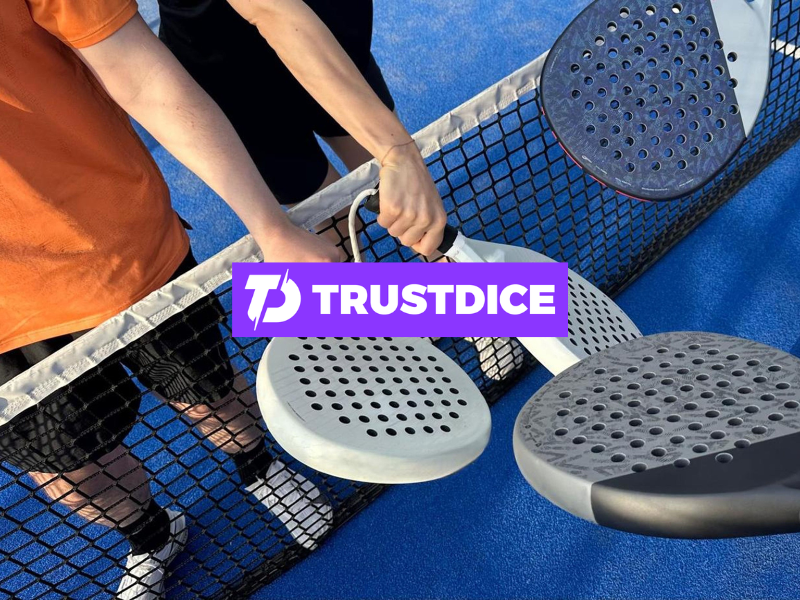
A good padel return does more than put the ball back into play. It can disrupt the serving pair's movement, create pressure at the net, and give your team an opportunity to take control of the rally.
Unlike tennis, where powerful returns can immediately dominate a point, padel rewards placement, patience, and smart positioning. The serving team often advances toward the net, so your return needs to account for two opponents preparing to volley.
This guide explains how to improve your return technique, choose better targets, and recognize the tactical opportunities available after each serve.
🎯 Why the Return of Serve Matters in Padel
The serving team generally has the first opportunity to establish net position. The receiving team must therefore handle the serve while preparing for an aggressive first volley.
A weak return can give the server an easy attacking ball. A controlled return toward the feet, middle, or an uncomfortable area can make that first volley considerably harder.
| Return Objective | Tactical Benefit |
|---|---|
| Keep the ball low | Makes the first volley less comfortable |
| Target the feet | Forces opponents to lift the ball |
| Play through the middle | Can create uncertainty between partners |
| Use a controlled lob | Challenges the serving team's net position |
Where Should You Stand to Return Serve?
Return positioning depends on the server's placement, your reaction speed, and the court's rebound characteristics.
Start behind the service line with enough space to react to serves that reach the side glass. Avoid standing so close to the glass that you cannot move comfortably around the rebound.
Keep your knees slightly bent, racket in front, and weight balanced. Small adjustment steps help you reach a stable contact position without taking an unnecessarily large swing.
Pro Tip: Your starting position is not fixed. If a server repeatedly targets the glass, adjust your distance and angle rather than defending the same uncomfortable position every time.
How to Return a Padel Serve Correctly
The receiving player must let the serve bounce before returning it. A legal serve may then rebound from the side glass, giving the receiver the option to play after that rebound.
For most beginners, the following technique provides a reliable foundation:
- Watch the server's preparation and ball contact.
- Move early using small adjustment steps.
- Turn your shoulders and keep the backswing compact.
- Contact the ball from a balanced position.
- Direct the return toward a deliberate target.
- Recover immediately for the next shot.
The objective is not maximum racket speed. Clean contact and reliable placement matter more, especially when opponents are already moving forward.
Should You Return Before or After the Glass?
Both options can be effective, depending on the serve.
Returning Before the Glass
Taking the ball before it reaches the side wall can reduce the server's preparation time. However, it requires good timing and positioning.
Returning After the Glass
Allowing the ball to rebound can create a more comfortable contact point when the serve arrives deep and angled. The challenge is predicting where the ball will travel after touching the glass.
Practice both techniques. Players who can only return before the wall become vulnerable to awkward serves, while those who always wait for the rebound may surrender unnecessary time.
⚔️ Best Return Targets Against Different Serves
Successful returning depends on recognizing the server's intentions. Different serves create different opportunities.
| Serve Type | Possible Return | Main Objective |
|---|---|---|
| Wide serve | Controlled cross-court return | Use the available angle |
| Serve toward the body | Compact return through the middle | Avoid rushed contact |
| Slow, short serve | Controlled aggressive return | Pressure the advancing server |
| Deep serve | Safe low return or lob | Neutralize the advantage |
When Should You Use a Lob Return?
A lob can be extremely useful when the serving pair advances aggressively. If your return travels deep enough, it can force the opponents to retreat and abandon their preferred attacking formation.
However, a short lob gives opponents a comfortable overhead. Avoid attempting an ambitious lob when you are stretched, late, or unable to control the ball's trajectory.
Match Insight 🏆
A good return is not always the shot that wins the point. Often, it is the shot that prevents the serving team from dominating the next three exchanges.
Five Common Padel Return Mistakes
- Taking an oversized backswing against a fast serve.
- Standing too close to the side glass.
- Trying to hit winners from difficult positions.
- Returning directly into an opponent's comfortable volley zone.
- Failing to recover after the return.
One especially costly habit is attacking every second serve. Although a slower serve may offer an opportunity, forcing a winner can still produce more errors than advantages.
How to Practice Your Return of Serve
Begin with a consistency drill. Have a partner serve toward different areas while you focus on returning ten consecutive balls into the court.
Next, introduce targets near the opponents' feet and the middle. Finally, practice returning after the side-glass rebound.
For an advanced exercise, let the serving pair move toward the net after each serve. This forces you to make realistic decisions about return placement and recovery.
How Return Quality Affects Professional Matches
At professional level, a strong receiving pair can repeatedly disrupt the serving team's transition toward the net.
When evaluating padel betting markets, consider return consistency, break-point opportunities, pair chemistry, recent form, and how effectively each team handles serves directed toward the glass.
Do not treat a single successful return or isolated break of serve as proof of a reliable advantage. Matchups and conditions matter, and small samples can be misleading.
Where to Learn More About Official Padel Rules
The International Padel Federation provides official rules and competition information. Reviewing these resources can help clarify legal returns, serving faults, and tournament formats.
When following sports markets online, verify domains carefully. Anyone researching crypto casino mirror sites or a trustdice mirror site should confirm the destination before entering account credentials.
Final Thoughts
A reliable padel return combines early preparation, compact technique, intelligent positioning, and deliberate placement.
Learn to handle serves before and after the glass, target uncomfortable volley positions, and use deep lobs when the serving pair becomes too aggressive.
Most importantly, think beyond the return itself. The best receiving teams use that first shot to influence the entire rally, turning the opponent's serving advantage into a tactical contest they can win.