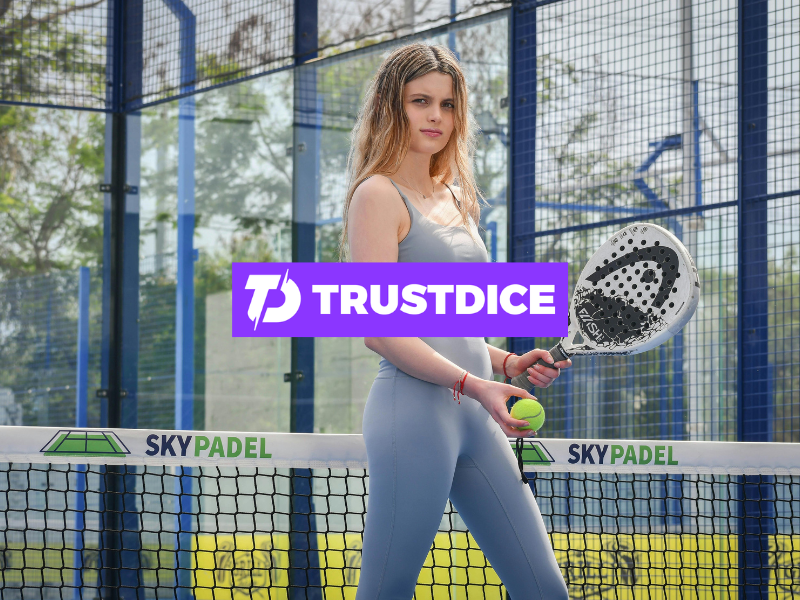









In padel, power attracts attention, but precision often creates the better opportunity. One of the clearest examples is the chiquita, a controlled, low shot designed to make opponents uncomfortable at the net. Instead of trying to hit through defenders, players use the chiquita to disrupt their positioning and create space for the next move.
This technique is particularly useful when a pair is defending from the backcourt. A well-placed chiquita can force opponents to volley below net height, reducing their attacking options and creating an opportunity to move forward.
However, the shot demands accurate placement, good timing, and coordinated movement. This guide explains how the chiquita works, when to use it, and how to incorporate it into a practical match strategy.
🎾 What Is a Chiquita in Padel?
The chiquita is a relatively soft, controlled shot directed toward an opponent's feet or the space immediately in front of them. It is commonly played from a defensive position against players occupying the net.
Its objective is not necessarily to win the point immediately. Instead, it encourages an awkward low volley that may allow the defending pair to advance.
The technique differs from a conventional passing shot because it prioritizes precision and a difficult contact height rather than speed.
⚔️ Chiquita vs Lob: Two Ways to Escape Defense
Both the chiquita and lob can help a defending pair challenge opponents controlling the net, but they create different tactical situations.
| Feature | Chiquita | Lob |
|---|---|---|
| Trajectory | Low and controlled | High and deep |
| Primary target | Opponent's feet | Space behind opponents |
| Tactical objective | Force a difficult low volley | Push opponents backward |
| Main risk | Ball sits up for an attack | Short lob invites an overhead |
The best choice depends on opponents' positions, incoming ball quality, and available space. Alternating between these options also makes defensive play less predictable.
🎯 How to Execute the Perfect Chiquita
Step 1: Establish a Balanced Position
Prepare with slightly bent knees and your racket in front of your body. Avoid reaching excessively toward the ball, as unstable contact makes accurate placement difficult.
Step 2: Choose the Correct Target
Aim toward an opponent's feet or the space between the two net players. The ball should cross the net with sufficient safety margin while remaining difficult to attack.
Step 3: Control Your Racket Speed
Use a compact swing with controlled acceleration. Excessive power can cause the ball to rise into an opponent's comfortable volleying zone.
Step 4: Recover Immediately
Watch the opponent's response and prepare to advance if the return is weak. Your partner should recognize the same opportunity so both players can move together.
🎯 Pro Tip: The chiquita is only effective when followed by intelligent positioning. A perfect low shot loses much of its value if both players remain stationary and allow opponents to recover.
🧠 When Should You Play a Chiquita?
The chiquita works best when opponents are positioned near the net and you have enough time to control your shot.
Consider using it when:
- Both opponents are close to the net and vulnerable to low contact.
- You receive a manageable ball from the backcourt.
- A high lob would be difficult because of environmental conditions.
- You want to create a transition opportunity without forcing a winner.
- Your opponents frequently attack balls played at comfortable volley height.
Avoid forcing the technique when you are stretched wide or reacting to a particularly fast ball. In those situations, a safer defensive return may be preferable.
🏆 Building a Complete Attack After the Chiquita
The shot becomes especially effective when incorporated into a coordinated sequence.
Imagine both opponents standing near the service line. You direct a controlled chiquita toward one player's feet. That player must lift the ball over the net, producing a slower response.
You and your partner can then advance together, potentially intercepting the next ball before the opponents regain their preferred positions.
The important principle is recognizing when the opponent's reply creates a genuine opportunity. Advancing blindly after every chiquita can expose your pair to passing shots.
📊 Common Chiquita Mistakes and Solutions
| Mistake | Consequence | Correction |
|---|---|---|
| Hitting too hard | Easy attacking volley | Reduce swing speed |
| Poor target selection | Opponent contacts comfortably | Aim lower toward the feet |
| Advancing too early | Exposure to passing shots | Read the opponent's reply |
| Poor partner coordination | Gaps between players | Move forward together |
| Using it under pressure | Inconsistent contact | Choose safer defensive shots |
⚡ Three Drills to Improve Your Chiquita
1. Target Practice
Place safe, flat markers near the feet of a practice partner positioned at the net. Feed manageable balls from the backcourt and aim for controlled placement.
2. Chiquita and Advance
Practice hitting a chiquita, observing the reply, and advancing only when the return allows it. Focus on timing rather than speed.
3. Chiquita or Lob Decision Drill
Ask a coach or partner to vary their net position. Select a chiquita or lob based on the available space, developing tactical decision-making alongside technique.
📈 Understanding the Chiquita in Professional Padel
Professional players frequently use controlled low balls to challenge net positioning. Watching tournaments through Premier Padel offers useful examples of defensive-to-attacking transitions.
Observe how players coordinate their movement after forcing an uncomfortable volley. The transition is often more important than the initial shot itself.
The International Padel Federation provides official competition information and regulations for additional research.
For readers exploring padel betting, understanding transition tactics can provide context when comparing playing styles. However, tactical observations alone cannot reliably predict results.
🔐 Reliable Information and Online Platform Awareness
Official tournament records and verified match footage provide stronger foundations for analysis than unsupported social media predictions.
When researching commercial sports platforms, searches involving crypto casino mirror sites or a trustdice mirror site require careful URL verification and attention to local regulations.
Anyone considering padel betting should recognize the uncertainty of sporting outcomes and establish responsible financial limits.
🚀 Final Thoughts
The chiquita demonstrates why padel rewards tactical intelligence as much as physical power.
By directing a controlled ball toward an opponent's feet, players can disrupt net control and create opportunities to move forward.
Successful execution depends on placement, timing, and coordinated movement rather than aggressive hitting.
Practice the technique gradually, learn when to choose it over a lob, and pay attention to the opponent's response. Once incorporated into a broader tactical approach, the chiquita becomes a valuable option for turning defensive situations into attacking opportunities.