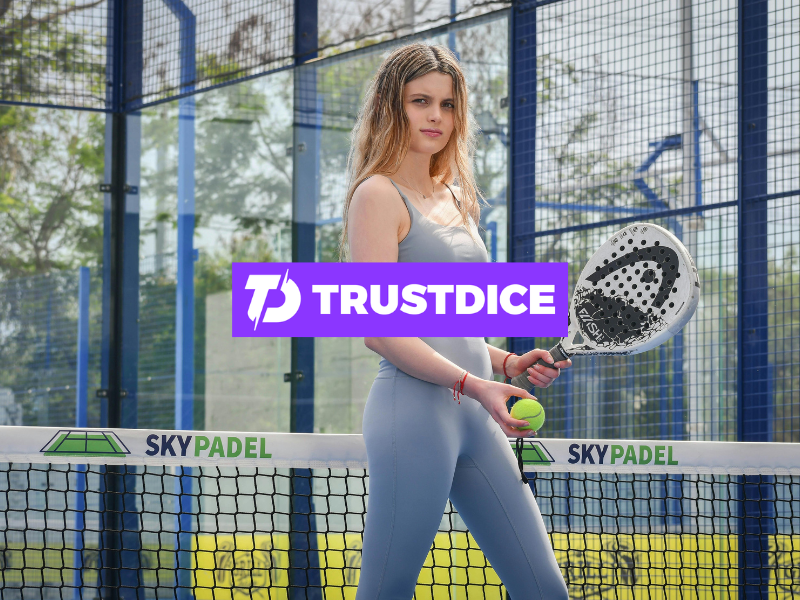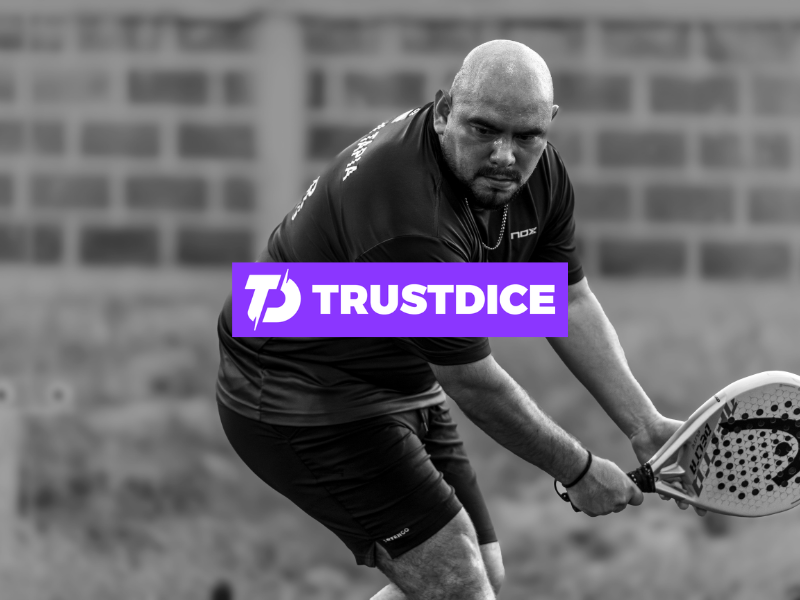









Two of the most recognizable shots in padel are the bandeja and the vibora. Both are overhead techniques commonly used when opponents attempt to push an attacking pair away from the net with a lob. Although they can look similar to beginners, their objectives, racket movements, and tactical applications are different.
The bandeja emphasizes control and positional stability, while the vibora typically introduces greater sidespin and attacking pressure. Understanding when to use each shot can help players maintain an advantage without attempting risky smashes.
This guide explains both techniques, compares their strengths, identifies common mistakes, and explores how professional players incorporate them into match strategy.
🎾 What Is a Bandeja in Padel?
The bandeja, meaning "tray" in Spanish, is a controlled overhead shot generally played with an open racket face and a slicing action.
Its main purpose is to maintain attacking position after receiving a lob. Rather than trying to finish the rally immediately, players use the bandeja to send the ball deep and make the opponent's next shot uncomfortable.
A well-executed bandeja can create a relatively low rebound from the back glass, making it harder for opponents to attack.
How to Execute a Bandeja
- Recognize the lob early and move into position.
- Turn your shoulders sideways while tracking the ball.
- Prepare the racket above shoulder height with a slightly open face.
- Contact the ball in front of your body at a comfortable height.
- Use a controlled slicing motion rather than maximum power.
- Recover your position toward the net when appropriate.
Balance and timing are more important than generating extreme racket speed. Beginners should initially practice with predictable feeds before attempting the shot during competitive rallies.
🐍 What Is a Vibora in Padel?
The vibora, Spanish for "viper," is a more aggressive overhead technique characterized by sidespin and a cutting racket movement.
Its purpose is to create difficult rebounds and force opponents into defensive positions. When executed effectively, the ball may rebound sideways after contacting the glass.
Compared with the bandeja, the vibora generally requires more precise timing and racket control.
How to Execute a Vibora
Begin with a sideways stance and prepare the racket high. As the ball approaches, rotate your upper body and accelerate the racket across the ball to generate sidespin.
Contact position and racket-face angle influence the resulting trajectory. The objective is not simply to swing harder, but to produce a controlled combination of speed, placement, and spin.
Players should develop reliable overhead contact before introducing aggressive sidespin variations.
⚔️ Bandeja vs Vibora: Key Differences
Both techniques help players respond to lobs, but their tactical purposes differ.
| Feature | Bandeja | Vibora |
|---|---|---|
| Primary objective | Maintain net position | Create attacking pressure |
| Typical spin | Slice or backspin | Sidespin with slice |
| Shot speed | Usually controlled | Often more aggressive |
| Technical difficulty | Intermediate | Intermediate to advanced |
| Typical outcome | Controlled defensive response | Awkward rebound or weak return |
Neither shot is universally superior. The correct choice depends on ball height, player positioning, available time, and the opponents' defensive abilities.
🎯 When Should You Use a Bandeja?
The bandeja is particularly useful when an opponent's lob forces you backward but still allows a controlled overhead contact.
Its relatively conservative execution can help preserve the attacking position without exposing the pair to unnecessary errors.
Consider using a bandeja when:
- The lob is deep and difficult to attack aggressively.
- You need additional time to recover toward the net.
- Your opponents defend powerful overheads effectively.
- You want to maintain pressure through placement.
Aiming toward the backcourt or an opponent's less comfortable defensive area can be more productive than attempting a winner from a poor position.
🔥 When Is a Vibora the Better Choice?
The vibora becomes attractive when a player has enough time, balance, and contact height to apply controlled sidespin.
It can be particularly effective when opponents struggle with angled rebounds or have difficulty defending balls that move laterally after contacting the glass.
However, attempting a vibora from an unstable position can produce short balls or unforced errors.
🎯 Pro Tip: Choose the shot based on your position before thinking about power. A controlled bandeja from a difficult lob is usually preferable to an ambitious vibora executed while off balance.
📊 Choosing the Right Overhead in Different Situations
| Match Situation | Suggested Shot | Tactical Reason |
|---|---|---|
| Deep defensive lob | Bandeja | Prioritize control and recovery |
| Comfortable overhead position | Vibora | Apply spin and pressure |
| Opponents defend deep | Either | Vary placement and rebound angles |
| Poor balance or late preparation | Safer defensive return | Avoid forcing an overhead |
| Strong attacking opportunity | Vibora or another overhead | Exploit favorable positioning |
These recommendations are tactical guidelines rather than rigid rules. Individual technique and opponent positioning can change the preferred decision.
🧠 Common Mistakes When Learning These Shots
One frequent mistake is treating every overhead as an opportunity to hit a winner.
Players may also contact the ball too late, use excessive wrist movement, or forget to recover their position after striking.
To improve consistency, practice controlled overhead exchanges with a partner. Alternate between bandejas and viboras while maintaining clear targets.
Video feedback from a qualified coach can help identify preparation and contact problems that are difficult to recognize during play.
🏆 How Professional Players Use Bandejas and Viboras
At professional level, overhead selection is closely connected to court positioning and opponent movement.
Watching competitions through Premier Padel provides opportunities to observe how elite pairs respond to defensive lobs.
Rather than focusing exclusively on spectacular winners, notice how controlled overheads help players preserve net control and construct subsequent attacking opportunities.
The International Padel Federation provides official competition information and player resources for further research.
📈 Understanding Overhead Tactics in Match Analysis
Shot selection can reveal how a pair approaches attacking situations.
Players who consistently maintain net position through controlled overheads may create different tactical challenges from those who rely heavily on aggressive finishing attempts.
For readers interested in padel betting, these observations can provide additional context when evaluating playing styles.
However, tactical preferences alone cannot predict match results. Opponent quality, current performance, and verified competitive records remain essential considerations.
🔐 Researching Padel and Online Sports Platforms
Reliable match analysis should begin with official competition information rather than unsupported predictions.
When navigating commercial platforms, searches involving crypto casino mirror sites or a trustdice mirror site require careful verification of website authenticity and applicable local regulations.
Anyone exploring padel betting should recognize that sporting outcomes remain uncertain and establish responsible financial limits.
🚀 Final Thoughts
The bandeja and vibora are essential tools for developing a more complete padel game.
The bandeja prioritizes control, consistency, and positional recovery. The vibora introduces additional spin and attacking pressure when conditions allow.
Learning both techniques gives players more tactical flexibility, but successful execution depends on preparation, timing, and intelligent shot selection.
Start by mastering controlled overhead contact, then gradually introduce more aggressive variations. In padel, choosing the right shot is often more valuable than hitting the hardest one.