







Two professional padel matches can feature similar players yet unfold in completely different ways. One produces explosive overhead winners and short rallies, while another becomes a patient contest of lobs, defensive recoveries, and carefully constructed points. The difference often begins with playing conditions.
Court surface, temperature, humidity, altitude, and ball characteristics can influence how quickly the game moves. Understanding these variables gives spectators a clearer perspective on tactical decisions and provides useful context for padel betting analysis.
Rather than assuming the strongest attacking partnership will dominate every tournament, informed observers examine how the environment interacts with each team's strengths.
🎾 Why Playing Conditions Matter in Professional Padel
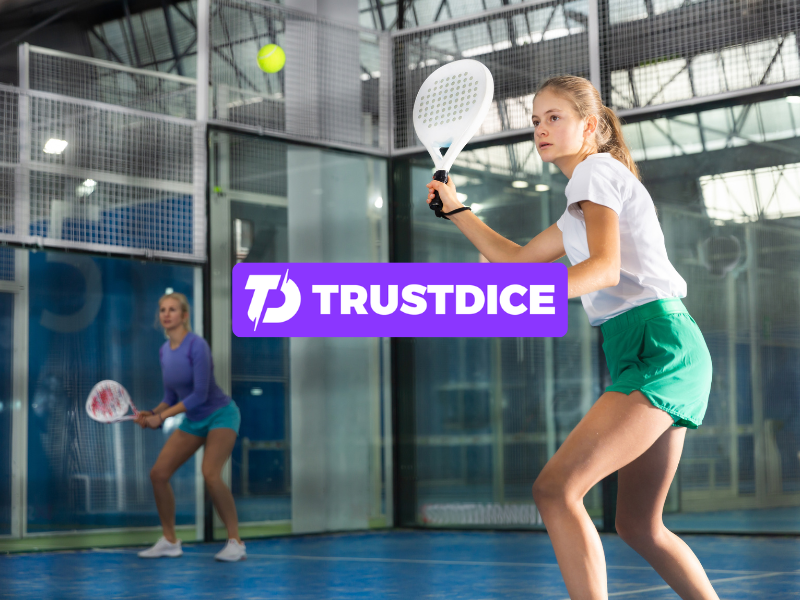
Padel is played on an enclosed court where the ball can rebound from surrounding walls. Unlike tennis, players frequently allow shots to bounce and use the glass to create defensive opportunities.
This makes ball speed and rebound behavior particularly important. A relatively small change in conditions can influence whether a smash becomes a winner or remains playable.
Professional competitions generally use artificial turf surfaces, although installation characteristics, sand distribution, maintenance, and wear can affect movement and ball behavior.
The International Padel Federation (FIP) publishes official regulations covering court specifications and equipment requirements. These provide a useful reference when distinguishing standardized rules from venue-specific conditions.
Key Environmental Variables
| Factor | Possible Effect | Analytical Consideration |
|---|---|---|
| Temperature | Changes ball pressure and rebound behavior | Observe overhead effectiveness |
| Humidity | May affect ball and court characteristics | Monitor rally speed and control |
| Altitude | Lower air density can reduce aerodynamic drag | Evaluate attacking shot depth |
| Turf Condition | Influences traction and bounce consistency | Watch movement and defensive recovery |
These effects are not universal predictions. Different balls, venues, and playing styles interact with environmental conditions, so direct match observation remains essential.
☀️ Temperature and Ball Speed: What Changes?
Temperature can influence the pressure inside a padel ball. When other factors remain constant, warmer conditions generally increase internal gas pressure, potentially producing a livelier rebound.
That does not mean every match played in warm weather will feature faster rallies. Ball construction, air resistance, surface behavior, and player technique all contribute to the final result.
Warm Conditions and Attacking Opportunities
When balls rebound energetically, aggressive players may find additional opportunities to finish points with overhead shots. Powerful smashes can become particularly threatening when opponents struggle to retrieve balls leaving the court.
However, successful attacking still requires positioning and precision. A powerful smash played from an unfavorable location can give opponents an easy counterattack.
Cooler Conditions and Defensive Exchanges
Cooler conditions may reduce ball liveliness, making some attacking shots easier to defend. Teams capable of constructing patient rallies can benefit when opponents struggle to finish points quickly.
Watch how often attacking pairs must hit multiple overheads before creating a decisive opportunity. That pattern can reveal more about the playing environment than the temperature reading alone.
🎯 Pro Tip: Before evaluating a match, watch several complete rallies. Notice whether overheads consistently create winners or whether defenders can comfortably recover them using the back glass.
🌍 Altitude and Indoor Versus Outdoor Courts
Altitude introduces another important variable. At higher elevations, reduced air density generally means less aerodynamic resistance, allowing balls to travel differently from those at sea level.
This can change the effectiveness of lobs, smashes, and defensive positioning. Players accustomed to particular conditions may need time to adjust their shot selection.
Outdoor tournaments introduce additional uncertainty through wind, sunlight, and changing weather. Indoor venues usually remove direct wind interference, although temperature and humidity can still vary.
Comparing Playing Environments
| Environment | Potential Advantage | Main Challenge |
|---|---|---|
| Indoor Court | More predictable ball trajectories | Adapting to venue-specific conditions |
| Outdoor Court | Rewards environmental adaptability | Wind and sunlight interference |
| Higher Altitude | Potentially more effective attacking shots | Controlling depth and power |
| Lower Altitude | Familiar conditions for many players | Overheads may require greater precision |
These comparisons describe possible tendencies rather than guaranteed advantages. Professional players regularly adapt their tactics to conditions that initially appear unfavorable.
📊 How Conditions Influence Match Analysis
Environmental information becomes useful when combined with player characteristics and verified competition data. A powerful attacking pair might benefit from lively conditions, while a defensively disciplined partnership may prefer exchanges that reward consistency.
For anyone researching padel betting, the challenge is determining whether these tendencies are already reflected in market expectations.
Consider a hypothetical match involving two evenly matched partnerships. Team A relies heavily on aggressive overheads, while Team B specializes in retrieving difficult balls and extending rallies.
If the venue produces slower exchanges, Team B might have additional opportunities to neutralize attacks. Nevertheless, that observation alone cannot establish which team deserves favoritism.
A Practical Pre-Match Checklist
- Confirm whether the tournament uses indoor or outdoor courts.
- Check the venue's altitude and expected weather conditions.
- Review recent performances against comparable opponents.
- Identify whether either partnership relies heavily on overhead winners.
- Observe how both teams adapt during their opening service games.
Official schedules, tournament information, and results available through Premier Padel can help establish the competition context.
⚡ Betting Insight: Environmental conditions should adjust an existing assessment, not replace it. Compare the implied probability of available odds with a carefully reasoned estimate, while accounting for uncertainty and the bookmaker's margin.
🔐 Research Sources and Safe Platform Access
Reliable match research depends on verified information rather than unsupported claims about surface speed or player preferences. Official tournament publications, match footage, and confirmed venue details should form the foundation of any assessment.
Online platform security also deserves attention. Searches for crypto casino mirror sites may return imitation services alongside legitimate alternatives. Users should independently verify website authenticity before sharing credentials or financial information.
Anyone accessing a trustdice mirror site should also confirm applicable regional restrictions and security requirements.
Betting involves financial risk. Avoid treating environmental observations as guaranteed advantages, establish spending limits, and never chase losses.
🏆 Final Thoughts
Professional padel is shaped by more than rankings and individual technique. Temperature, altitude, court characteristics, and weather can influence how players construct points and which tactical approaches become effective.
The most useful approach is to combine environmental research with direct observation and verified tournament information. Instead of assuming that one playing style always succeeds, examine how each partnership adapts to the conditions in front of it.
That perspective makes professional padel easier to understand and supports more disciplined, evidence-based match analysis.