







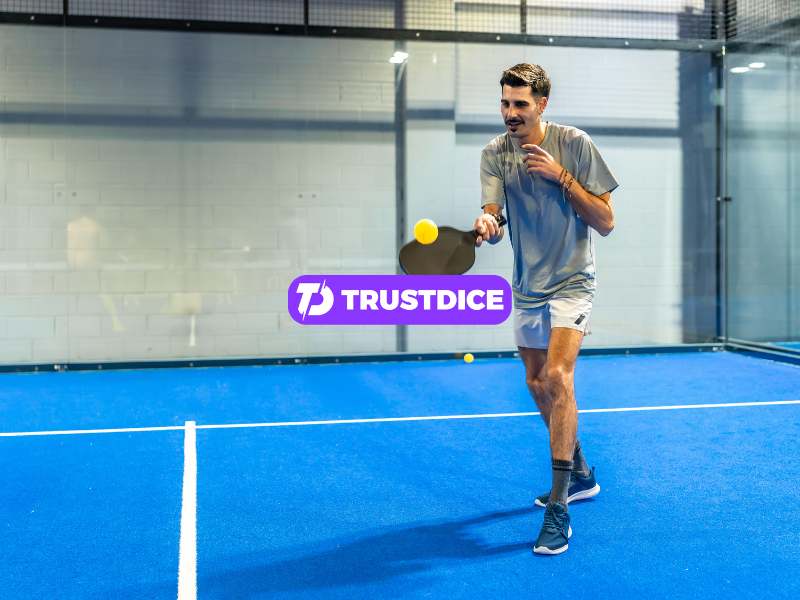
Padel has already completed an extraordinary transformation. A game created in Mexico in 1969 developed major followings in Spain and Argentina, established an international federation, built a professional ecosystem, and expanded into markets far beyond its traditional base.
The more interesting question now is not whether padel has grown. It is what happens next.
Padel Is Becoming More International
Spain and Argentina remain fundamental to padel culture and elite competition, but the sport's geographic footprint is increasingly broad.
New facilities and competitions have appeared across Europe, the Middle East, the Americas, and parts of Asia. This matters because sustainable international growth requires local players, coaches, clubs, junior systems, and tournaments—not simply occasional professional events.
| Growth Area | Why It Matters |
|---|---|
| New courts | Creates participation access |
| Junior programs | Builds future player base |
| Professional events | Increases visibility |
| Coaching | Improves local playing standards |
Professional Padel Is More Unified
The emergence of Premier Padel as the leading global professional tour has given fans a clearer elite competition structure.
A consistent international tour helps build recognizable rivalries, player narratives, rankings, and major events that audiences can follow throughout a season.
Growth Insight 🎯
A professional tour can attract attention, but long-term growth ultimately depends on ordinary people having somewhere convenient and affordable to play.
More Courts Will Create More Players
Padel has a simple infrastructure challenge: people cannot participate without courts.
As dedicated facilities open in new markets, the barrier to trying the sport falls. Clubs can introduce coaching, social leagues, corporate events, junior programs, and local competitions.
The doubles format also supports a social club culture that can encourage repeat participation.
Technology Will Change the Club Experience
Modern padel venues increasingly integrate digital booking, player matching, automated scoring, video recording, and performance analysis.
For recreational players, technology can make it easier to find opponents at a similar level. For coaches, recorded sessions can provide useful technical feedback.
🏆 Future Trend: The winning padel facility may increasingly be a combination of sports club, social venue, and digital platform.
Equipment Will Continue Evolving
Padel rackets already vary dramatically in shape, balance, materials, surface texture, and foam characteristics.
Manufacturers will continue experimenting with equipment, but governing regulations will remain important in ensuring technological development does not fundamentally distort competition.
| Area | Likely Development |
|---|---|
| Rackets | Material and construction refinement |
| Clubs | More digital integration |
| Broadcasting | Greater international accessibility |
| Coaching | Larger global talent pipeline |
New Countries Could Produce Elite Players
Professional rankings still reflect the enormous historical strength of Spain and Argentina. But as participation increases elsewhere, the talent pool should become more geographically diverse.
This process takes time. Building elite players requires coaching expertise, competitive junior environments, strong domestic opponents, and opportunities to enter international competition.
The interesting question is which emerging market will develop the next generation capable of consistently challenging the traditional powers.
Broadcasting Can Create New Fans
Padel works well in short-form video because spectacular rallies can be understood quickly. Outside-the-court recoveries, glass rebounds, and powerful smashes create natural highlight material.
But turning highlight viewers into committed fans requires accessible live competition and recognizable player stories.
As professional coverage expands, audiences accustomed to following sports through a bitcoin sportsbook may also encounter padel more frequently alongside established competitions.
Sports Betting Visibility May Increase
More professional events, broader broadcasting, and improved data infrastructure naturally increase the commercial ecosystem surrounding a sport.
That includes areas such as sponsorship, media rights, fantasy-style engagement, statistics, and bitcoin betting.
For padel, reliable competition data and transparent tournament structures become increasingly important as the audience expands.
Industry Insight ⚔️
Global popularity should be measured by more than social-media views. Court utilization, repeat participation, junior development, and sustainable clubs provide stronger evidence of a mature sport.
Could Padel Become Even More Mainstream?
The ingredients are present: an accessible recreational format, distinctive visual identity, professional stars, international governance, equipment brands, and expanding infrastructure.
The challenge is maintaining quality while expanding. Poorly planned facilities, insufficient coaching, or oversupply in individual markets could create setbacks.
Growth therefore should not be treated as automatically linear.
What Should Fans Watch Next?
Watch where new professional tournaments appear, which countries build strong domestic competition, and whether emerging players begin challenging established Spanish and Argentine stars.
For fans following professional events through a bitcoin sportsbook, an increasingly international calendar should also create a wider variety of matchups and playing conditions.
Final Thoughts
Padel has already moved beyond being a niche regional sport. Its next stage will depend on whether rapid expansion can become sustainable sporting culture.
More courts will create opportunities, but courts alone are not enough. Coaching, junior development, competitive pathways, broadcasting, and strong professional structures all need to grow with participation.
If those pieces continue developing together, the next decade of padel may be defined not simply by how many people discover the sport—but by how many countries begin producing their own clubs, communities, champions, and distinctive padel cultures. 🌍🎾