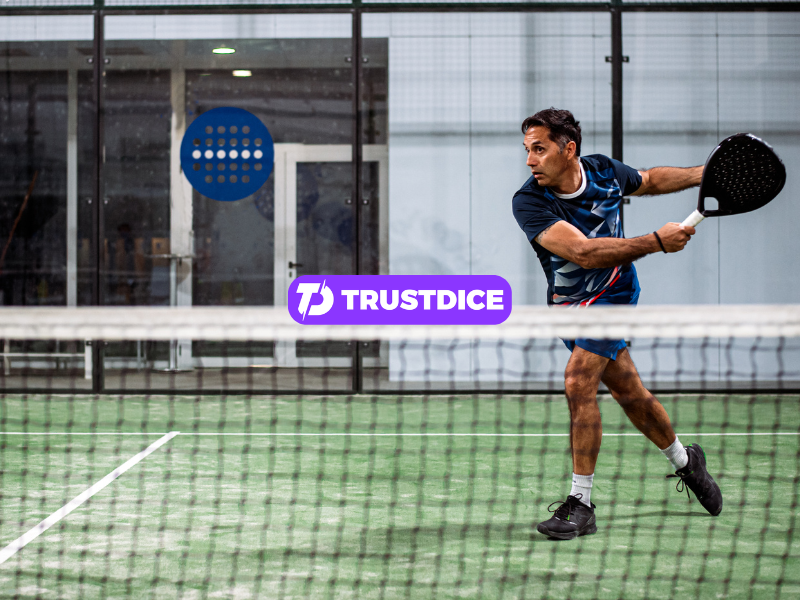








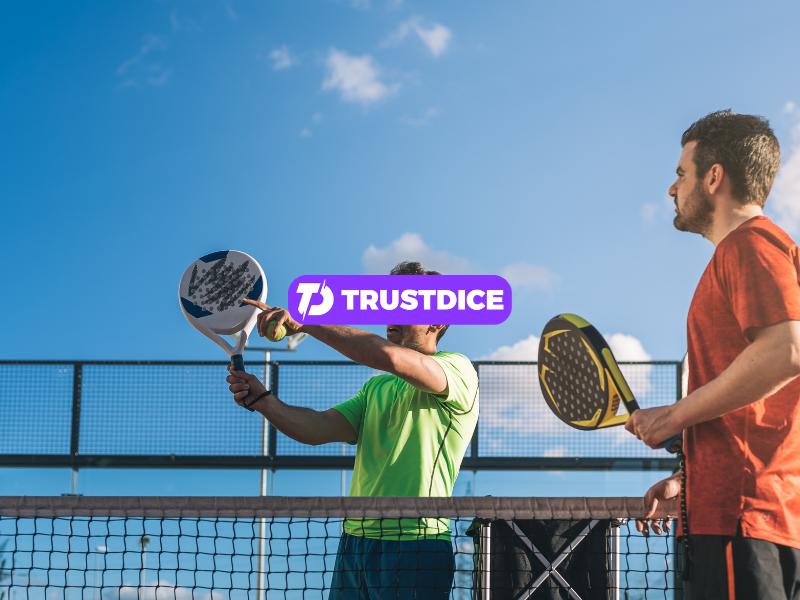
One of the biggest myths in padel is that better players simply hit harder. Watch an experienced pair closely and you will often see the opposite. They slow rallies down, defend patiently, use lobs to change court position, and attack only when the opportunity is right.
If you are constantly trying to finish points with power, learning a few basic tactical principles can transform your results. Good padel is less about producing the hardest shot and more about forcing your opponents to play the hardest next shot.
1. Control the Net Whenever Possible
The net is the most valuable attacking position in padel. From there, you can volley before the ball bounces, create better angles, and give opponents less reaction time.
This does not mean charging forward after every shot. You need to earn the position. A good lob, difficult return, or weak opponent shot can provide the opportunity for both partners to advance.
Strategy Tip 🎯
Move forward together. One player at the net and one at the baseline creates a huge gap that experienced opponents will immediately attack.
2. Use the Lob as an Attacking Tool
Beginners often think a lob means, “I am under pressure.” Experienced players think, “I want your net position.”
A deep lob forces opponents away from their preferred attacking zone. If they retreat far enough, you and your partner can move forward and take control.
The objective is not simply height. A short lob can give an opponent an easy overhead, so depth and placement matter.
| Situation | Smart Option |
|---|---|
| Opponents control net | Deep lob |
| Opponent volleying comfortably | Target feet or use chiquita |
| You control net | Maintain pressure with controlled volleys |
| You are badly positioned | Reduce risk and reset |
3. Stop Looking for Winners
A spectacular winner counts exactly the same as an opponent's simple error.
At recreational level, consistency wins an enormous number of matches. Instead of attacking tiny spaces near the sidelines, give opponents another difficult ball and make them prove they can return it.
In our competitive recreational sessions, this is one of the clearest differences between improving players and perpetual beginners. Better players recognize when the rally is not ready to be finished.
🏆 Match Rule: Do not ask, “Can I hit a winner?” Ask, “What shot makes my opponent's next ball more difficult?”
4. Attack the Middle
The sidelines look attractive because they appear to offer clean winners. The middle is often safer and tactically smarter.
A shot between two opponents can create hesitation over who should take it. It also reduces the angles available for their return.
This is particularly effective against new partnerships with weaker communication.
5. Play Toward the Opponents' Feet
When opponents are standing at the net, hitting directly into their comfortable volley zone is rarely ideal.
Instead, try to make the ball dip toward their feet. Contact below net height is much harder to attack because the player must lift the ball upward.
The chiquita—a controlled low shot toward the feet—is built around exactly this concept.
6. Learn When Not to Smash
A high ball does not automatically mean “smash.” This is one of the most expensive tactical mistakes beginners make.
If you cannot finish the point, an uncontrolled smash may rebound from the back glass and give opponents an easy counterattack.
Controlled overheads such as the bandeja can help maintain net position without taking unnecessary risk.
| Shot Choice | Typical Objective |
|---|---|
| Smash | Finish a strong opportunity |
| Bandeja | Preserve attacking position |
| Chiquita | Pressure low volley |
| Lob | Change court position |
7. Defend With Patience
Being pushed toward the back glass does not mean you are about to lose the point.
Good defenders use the walls to gain additional time. Instead of desperately attempting a passing shot, they keep returning balls until an opportunity appears to play a quality lob or low ball.
This is particularly noticeable in professional matches. Spectators following padel through a bitcoin sportsbook should watch whether a pair can absorb sustained pressure without producing unnecessary errors.
8. Identify the Weaker Target
During a match, pay attention to patterns. Perhaps one opponent struggles with backhand volleys. Maybe another becomes uncomfortable when defending the back glass or consistently produces short lobs.
You do not need to attack that weakness on every shot, but recognizing it gives your team a tactical direction during important points.
Match Intelligence ⚔️
Use the opening games to collect information. Notice which shots create weak returns before deciding how aggressively to target them.
9. Manage Risk According to the Score
Shot selection should change with the situation. Attempting a difficult winner at 40-0 is different from attempting the same shot during a crucial deciding point.
When the score becomes important, reliable patterns become more valuable. Serve consistently, target larger areas, and force opponents to earn the point.
This type of tactical awareness is also relevant for viewers interested in bitcoin betting. Some partnerships manage pressure points noticeably better than others, even when their raw attacking ability appears similar.
10. Watch the Pair, Not Just the Star Player
Padel is a partnership sport. Individual talent matters, but coordinated movement determines how much usable space opponents receive.
Watch whether partners advance together, cover the middle, communicate during lobs, and recover their formation after difficult shots.
For spectators using a bitcoin sportsbook, partnership chemistry can provide more meaningful context than simply identifying which side contains the most famous individual player.
Final Thoughts
Winning more padel matches does not require turning every forehand into a missile. The biggest improvements usually come from better decisions.
Fight for the net, use the lob strategically, target the feet and middle, defend patiently, and avoid smashing balls that do not need to be smashed. Above all, move with your partner rather than playing as two individuals.
Power becomes dangerous when it is combined with good positioning and shot selection. Until then, control usually wins. 🎯