







A reliable forehand and backhand are the foundation of consistent padel. But unlike tennis, padel rarely rewards huge swings from the baseline. The smaller court, glass walls, and fast exchanges make compact technique, control, and early preparation much more valuable.
For beginners, the goal is simple: produce repeatable shots that keep you balanced and ready for the next ball. This 2026 guide explains how to improve both groundstrokes without relying on unnecessary power.
How Are Padel Groundstrokes Different From Tennis?
Tennis players often generate heavy pace and spin with longer swings. In padel, players frequently have less time, particularly when defending near the glass or exchanging fast balls around mid-court.
A shorter preparation can therefore make contact easier to control. The objective is usually not to hit an immediate winner but to return the ball accurately while maintaining good court position.
| Element | Beginner Focus |
|---|---|
| Preparation | Compact and early |
| Contact | Comfortably in front of the body |
| Power | Controlled rather than maximum |
| Recovery | Return quickly to a balanced position |
Technique Tip 🎯
If you regularly feel rushed, shorten the backswing before trying to move faster. Compact preparation gives you more time to read the incoming ball.
How to Hit a Controlled Padel Forehand
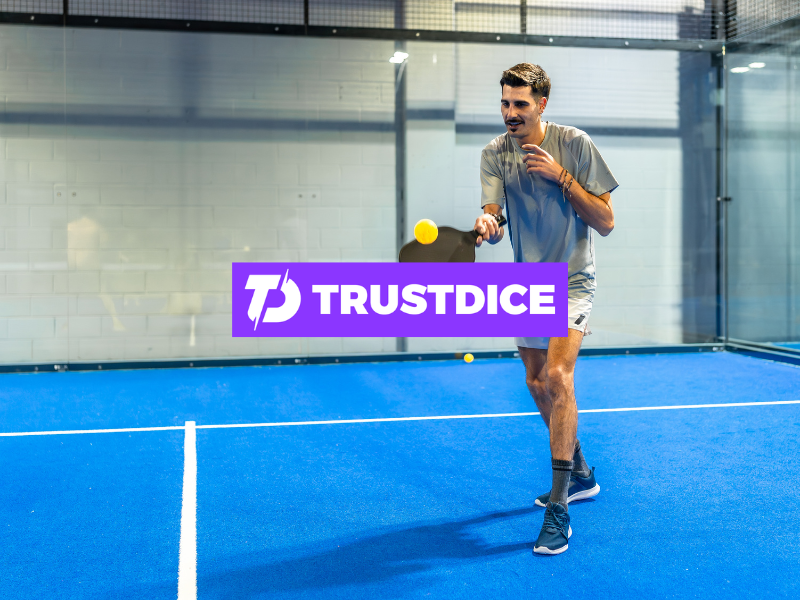
Start from a balanced ready position with the racket prepared in front of you. As you recognize a forehand, turn your shoulders and move into position rather than reaching for the ball with your arm alone.
Keep the backswing relatively compact. Contact should feel controlled and repeatable, with your body helping guide the shot toward the target.
After contact, recover immediately. Watching your own shot for too long can leave you badly positioned for the opponent's response.
How to Improve Your Backhand
The backhand can feel less natural for new players, especially when the ball arrives quickly. Early preparation becomes particularly important.
Turn your shoulders as soon as you recognize the direction of the shot and create enough space between your body and the ball. Trying to hit when the ball becomes crowded against your body usually reduces control.
Beginners should focus on directing the ball accurately before experimenting with more aggressive pace or spin.
Power vs Control: Which Matters More?
In most ordinary rallies, control wins this argument. Padel's walls can make reckless power surprisingly ineffective because opponents may use the rebound to recover a hard shot.
A controlled groundstroke can instead keep the ball low, target an uncomfortable area, or create an opportunity for your pair to improve its position.
⚔️ Match Insight: Do not measure a good groundstroke by speed alone. A slower ball that forces an awkward response can be tactically better than a powerful shot returned comfortably.
Where Should You Aim Groundstrokes?
Shot placement depends on the opponents' positions. Instead of automatically aiming for the sidelines, look for areas that make the next shot difficult.
| Target | Tactical Purpose |
|---|---|
| Middle | Can create uncertainty between partners |
| Feet | Makes comfortable volleys harder |
| Open Space | Forces opponents to move |
| Deep Court | Can keep opponents away from ideal attacking positions |
Accuracy does not require hitting close to the lines. Giving yourself a reasonable margin reduces unnecessary errors while still allowing you to move opponents around the court.
Playing Forehands and Backhands Near the Glass
The back glass changes groundstroke technique because you do not always need to hit the ball immediately after its first bounce.
When a deep shot reaches the rear of the court, create space and judge whether allowing the rebound will produce an easier contact point. Standing too close to the wall can leave you trapped.
In our on-court analysis, beginners often improve quickly once they stop chasing every deep ball. Reading the rebound gives them more time and reduces rushed swings.
Glass Tip 🏆
Move according to where the ball will be after the rebound, not simply where it is before hitting the glass.
Five Common Groundstroke Mistakes
- Taking an oversized backswing: this reduces reaction time during fast rallies.
- Trying to hit every shot hard: excessive power increases avoidable errors.
- Standing too close to the ball: poor spacing makes clean contact difficult.
- Ignoring recovery: your movement should continue after contact.
- Forcing winners from defensive positions: use controlled shots to rebuild the rally instead.
How to Practice Groundstrokes
Begin with consistency drills. Hit controlled forehands and backhands cross-court while trying to maintain a rally rather than finish it.
Next, introduce targets. Practice directing balls toward the middle, deeper areas, and the opponents' feet. This develops tactical accuracy instead of simply repeating the same stroke.
Finally, incorporate glass rebounds. Alternate between hitting directly after the bounce and allowing deeper balls to rebound before returning them.
Groundstrokes in Professional Match Analysis
Professional players demonstrate how groundstrokes fit into a larger tactical structure. Defensive shots are often used to create time, while carefully placed balls can prepare an opportunity to regain net position.
Fans researching padel betting can watch how consistently a pair handles pressure from the back of the court. Recent form, pair chemistry, defensive quality, net control, and playing conditions provide broader context when assessing professional matches.
No single forehand or backhand statistic determines the result. The important question is how effectively those shots support the pair's overall strategy.
Following Padel Online Safely
As more fans follow padel tournaments and related sports markets online, domain verification remains important.
Users researching crypto casino mirror sites should confirm alternative addresses through legitimate sources instead of opening unfamiliar links.
Likewise, anyone searching for a trustdice mirror site should verify the destination before entering account information.
Final Thoughts
Better padel groundstrokes come from control, preparation, and positioning rather than oversized swings. Keep your forehand and backhand compact, create space for clean contact, and recover immediately after every shot.
Most importantly, choose shots according to your position. When defending, prioritize consistency and time. When opponents give you an opportunity, use placement to increase pressure.
Master those fundamentals and both your forehand and backhand become more than basic strokes—they become tools for constructing the entire rally.