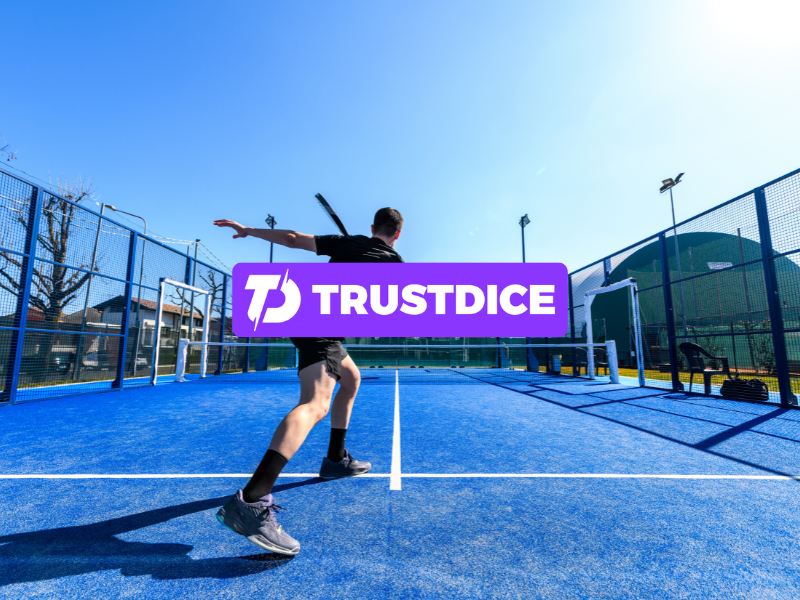






When a wide padel serve lands in your service box and heads toward the side glass, you can return it after the first bounce or let it hit the glass and play the rebound. Take it early if you can meet the ball in front of your body without lunging. Use the glass if the rebound gives you more room and leaves enough time to hit before the second bounce.
The best cue is space between your racket and your body. A fast serve can come off the glass at a playable height, while a slower one can drop almost as soon as it rebounds. Read the first bounce, then choose where you want to make contact.
🎾 When Is a Serve Off the Side Glass Legal?
Under the International Padel Federation’s rules, the receiver must let the serve bounce in the correct service box and strike it before its second ground bounce. A serve can hit the side glass after landing in the box and remain in play. If it lands in the box and then hits the metal fence before the second bounce and before you return it, it’s a fault. See Rules 7 and 8 of the FIP Rules of Padel.
| Ball path | Receiver’s decision |
|---|---|
| First bounce lands outside the correct box and misses its lines | The serve is a fault. |
| Ball bounces in the box, then hits the side glass | Play the rebound before it bounces again. |
| Ball bounces in the box, then hits the metal fence before you return it or it bounces again | The serve is a fault. |
👟 Read the Bounce Before You Commit
Take it early when you have room to swing
A wide serve that bounces far enough from the glass can leave a window to intercept it. Turn your shoulders as you read the bounce, move with short steps, and use a compact swing. The early return also takes time away from a server moving forward. If reaching the ball means stretching at full extension, expect less control over both height and direction.
Wait when the rebound opens up your contact point
When the bounce sends the ball quickly toward the glass, turn and give yourself room on the court side of its expected rebound path. Let the ball come away from the wall, then adjust to its actual height. A low, skidding serve calls for a shorter wait. Be ready to meet it soon after it leaves the glass.
💡 If the rebound keeps crowding your elbow, adjust your feet first. A small step away from the ball’s path often gives your racket more room than a bigger backswing.
🎯 Choose a Target Based on the Server’s Position
Look up early enough to see where the server is going. If they’re still running forward, a low return through the middle can make them play a volley near their feet. If both opponents have settled close to the net and you’re balanced, a lob can make them turn and retreat. When the rebound leaves you stretched near the glass, give yourself a generous target and recover as soon as you hit.
| What you see | Where to aim | What it buys you |
|---|---|---|
| Server moving toward the net | Low through the middle | A chance to make the server volley upward |
| Both opponents close to the net | A high, deep lob if you’re balanced | Time to recover while they track the ball |
| Low rebound and late contact | A compact return toward the center | Room for error on both sides of your target |
When watching Premier Padel highlights, pause after the first bounce of a wide serve. Watch where the returner sets their feet, then see whether the server reaches the next ball above or below net height. For readers following a match alongside padel betting markets, compare several points from the same service side. A pattern across multiple returns tells you more than one spectacular winner.
🔁 A Simple Drill for Wide Serves
- Ask a practice partner to serve wide from the same side several times. Play each return off the glass until you can read how far the ball travels after the rebound.
- Have them mix serves that rebound cleanly with serves you can intercept. Say “early” or “glass” after the first bounce, then play the ball.
- Let the server move forward and play the next shot. Judge the return by how comfortably the server volleys and whether you’ve recovered in time to cover the reply.
Practice from both service boxes. A serve that leaves room for a forehand on one side can jam your backhand on the other. Adjust your starting position if one side consistently gives you trouble.
TrustDice links include the trustdice mirror site. If you find the address through a directory of crypto casino mirror sites, check the domain before signing in.
🎾 Final Thoughts
Read the first bounce, then choose the contact point that gives you room to swing. A clean early return can catch the server moving. A controlled rebound can give you time to pick a better target. Practice both until you can make the decision while the ball is still on its way to the glass.