




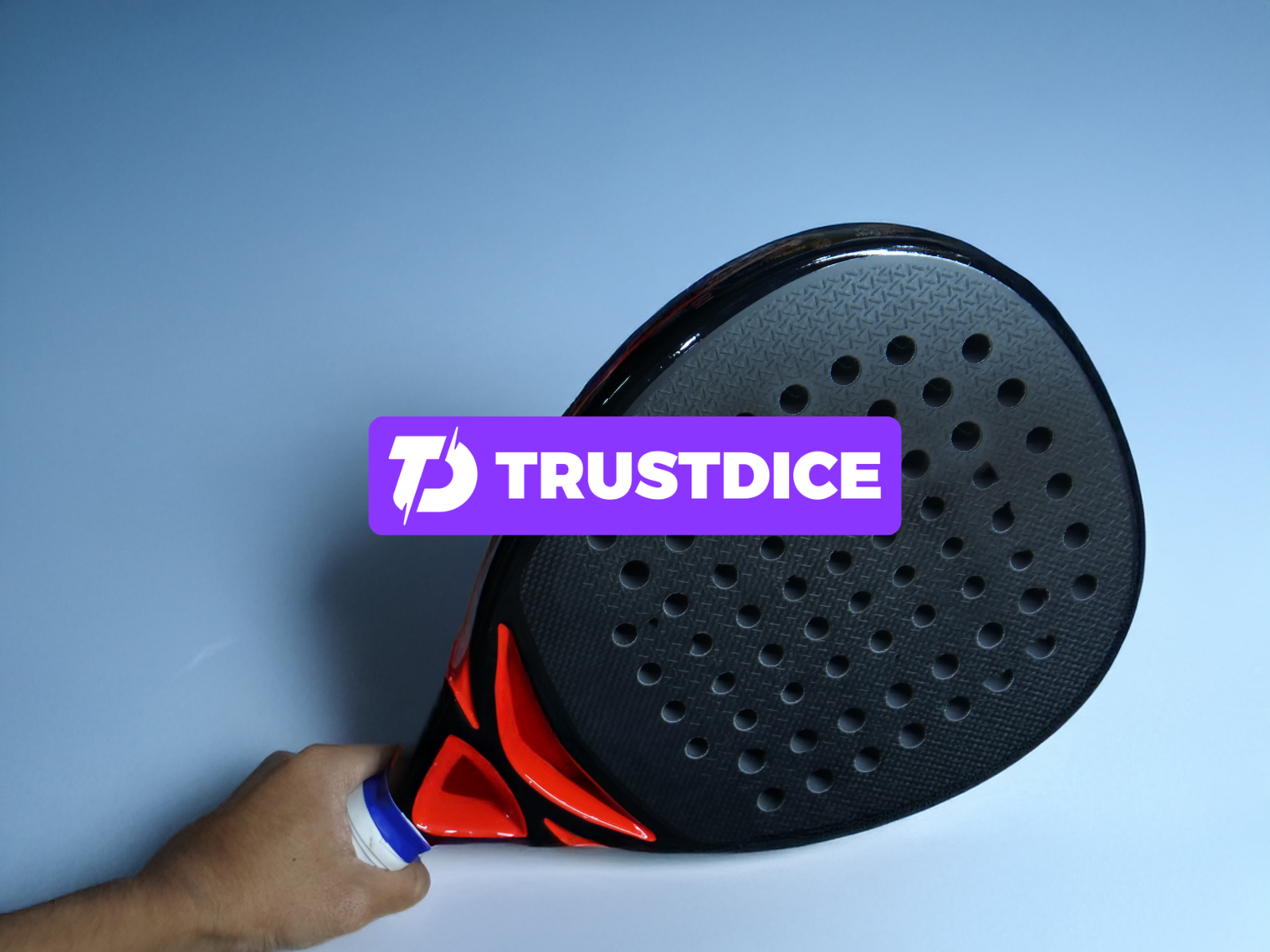
Play a bandeja when a lob pushes you back and you want enough time to recover toward the net. Play a víbora when you can get behind the ball, strike it in balance, and use extra pace and sidespin to pressure a defender. If the lob gets past you and you’re reaching behind your head, turn and prepare to defend after the bounce.
Both overheads can send the ball into the same corner. What changes is the quality of the ball you receive and the reply you want to create. A bandeja can buy you time to reset. A víbora can make the defender play a difficult ball off the glass and give you a chance to attack the next volley.
🎾 What Separates the Bandeja From the Víbora?
Bandeja: Keep the ball low and recover forward
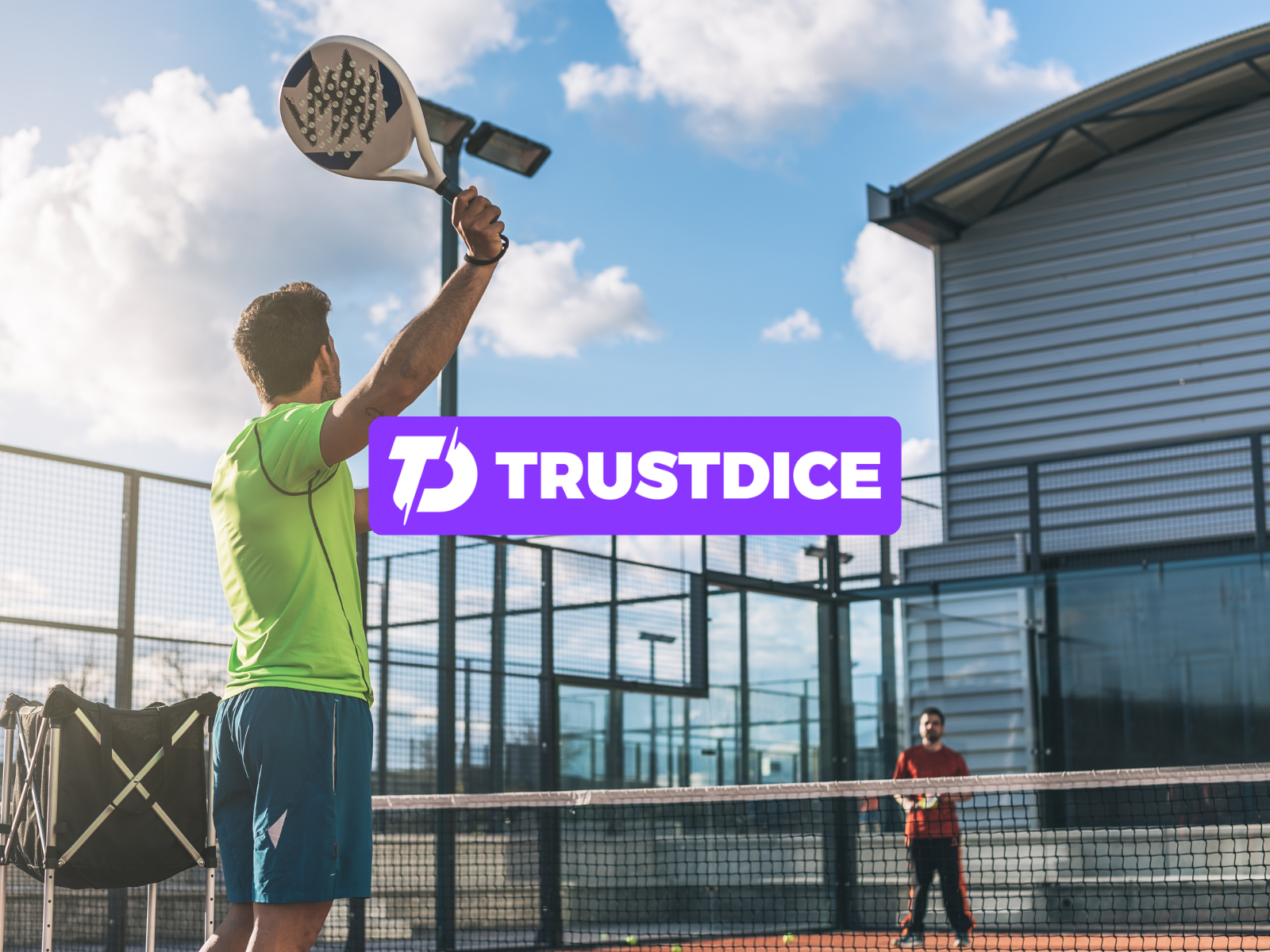
The bandeja is a controlled overhead you can use when a lob forces you away from the net. Turn side-on, create room to meet the ball beside and slightly in front of you, and swing at a pace that lets you place it. Aim deep with a comfortable margin inside the lines. A low rebound can make the defender lift the ball while you and your partner recover.
Víbora: Add sidespin when you have time to set
The víbora uses a more pronounced brushing action around the side of the ball. That sidespin can make the rebound off the glass harder to read, especially when the ball arrives deep and low. You can hit it with more pace if your feet are set and your contact point is comfortable. The official BNL Italy Major Premier Padel programme breaks down how each overhead is used.
| What the lob gives you | Shot to consider | What you want from it |
|---|---|---|
| You’re retreating but can still make balanced contact. | Bandeja | A deep ball that gives you time to recover. |
| You’re set under a manageable lob and can contact it in front. | Víbora | A low, awkward rebound that pressures the defender. |
| The ball is sailing past you and contact would be behind your head. | Turn and defend after the bounce | A more comfortable contact point from the back court. |
🎯 Where to Aim Your Overhead
Start with a deep diagonal target. The cross-court route gives you more distance to work with, and the back corner can make the defender decide whether to play early or wait for the glass. Leave room inside the side wall. An overhead aimed too wide can hit the glass before it lands and cost you the point.
Use the deep middle when the diagonal defender is already set in the corner. That placement can draw both defenders inward and give them less angle for a reply. If an opponent has stepped forward expecting a short ball, depth can force them to turn or play a difficult shot near their feet.
💡 Judge the shot by the defender’s contact. If they have to reach low and lift the ball while your pair gets set at the net, your overhead has done its job.
👟 How to Recover After the Overhead
Your partner should adjust as the lob goes up. If you’ve been pushed well behind them, they can drop a little and shade toward the middle. As you recover, close the space between you so a defender has less room to send the next ball between your positions.
After contact, watch the defender’s racket and feet. If they’re below the ball and preparing to lift, be ready for another lob. If they’ve had time to step in and meet the ball in front, they may drive it low while you’re still moving. Set your feet as they swing so you can react in either direction.
| What happens next | How to respond |
|---|---|
| A slow reply floats above the net. | Move in together and take the volley in front. |
| A firm reply travels toward your feet. | Hold your depth and use a compact block. |
| A second lob rises over your pair. | Call it early and read the new contact point. |
🔁 Practice the Decision With Mixed Lobs
- Ask a partner to feed deeper lobs. Practice placing a bandeja deep and getting set for the next ball.
- Add shorter, more comfortable feeds. Try a víbora toward the same target and compare how the ball comes off the glass.
- Mix both feeds and play out each rally. Count how often your overhead leaves you balanced and ready for the next shot.
When watching Premier Padel highlights alongside padel betting markets, follow the rally one shot beyond the overhead. Does the defender have to lift from the back corner, or do they get a clean drive at the advancing pair?
TrustDice access is available through the trustdice mirror site. If you find an address in a directory of crypto casino mirror sites, verify the destination before signing in.
🎾 Final Thoughts
Let the lob decide how much you can do with the overhead. Use the bandeja to buy recovery time and the víbora to pressure the defender when you’re set. Then watch the reply. The better choice is the one that leaves your pair ready to play the next ball.